🎙️ From Catfish Restaurant Server at 14 to Hospitality Inventory Consultant: Elizabeth McKee's Journey With Sculpture Hospitality
Elizabeth McKee, franchise owner of Sculpture Hospitality of the Alabama Gulf Coast, shares her journey from waiting tables at a mom and pop catfish restaurant at 14 and never fully leaving the industry, through discovering inventory consulting as a side gig and watching it grow into her full-time business, to building a referral-driven practice along one of the fastest growing coastlines in the United States. Through candid stories about a 2025 that blindsided her after years of doubling her client base, the relief of learning her losses were economy-driven rather than performance-driven, and how volunteering at a panini cook-off reminded her exactly why she loves hospitality, Elizabeth reveals how accountability without blame is the real secret to helping bars and restaurants stop losing money they didn't even know was walking out the door.
✨ Key Insights You'll Learn:
Weekly inventory revealing losses most owners never knew existed
Overpouring as a training problem, not a theft problem
Bartenders earn more tips by pouring less per drink
Menu pricing drift when ingredient costs change but prices don't
Deliveries as a hidden and frequently overlooked source of loss
Third party accountability removing the owner from being the bad guy
Dead stock identification and how to move it before it costs you
A 2025 that reversed years of growth and what she learned from it
Volunteering with no skin in the game as the fastest path back to confidence
Sandler selling transforming her from feature pitcher to question asker
Alabama Gulf Coast as one of the fastest growing regions in the country
Frontline hospitality workers as the most underappreciated people in any business
🌟 Elizabeth's Key Mentors:
First Sculpture Hospitality Colleague: The employee who invited Elizabeth to ride along on an inventory job 20 years ago and gave her the first look at what would eventually become her full-time business
Brian Jackson (Sandler Sales Coach): Transformed her selling approach from feature-driven pitching to question-driven listening, which she credits with fundamentally changing how she serves clients
Bethany Brenlinger (University of Alabama, School of Hospitality and Sports Management): A connector and friend who runs frontline worker training programs along the Gulf Coast, sharing Elizabeth's passion for recognizing and supporting the people who make hospitality function
Clients Who Were Honest During Hard Times: The business owners who told her directly what was going wrong in their own operations gave her the data she needed to understand that her 2025 losses were economy-driven, not performance-driven, and that distinction mattered enormously
Husband: Named directly as the reason the whole operation works, handling the household and kids so Elizabeth can stay in the field
👉 Don't miss this conversation about why the numbers never lie, how accountability without blame changes the entire culture of a bar or restaurant, and what volunteering has to do with getting your confidence back after a hard year in business.
Listen to the full episode here
Transcript
Anthony Codispoti (00:00)
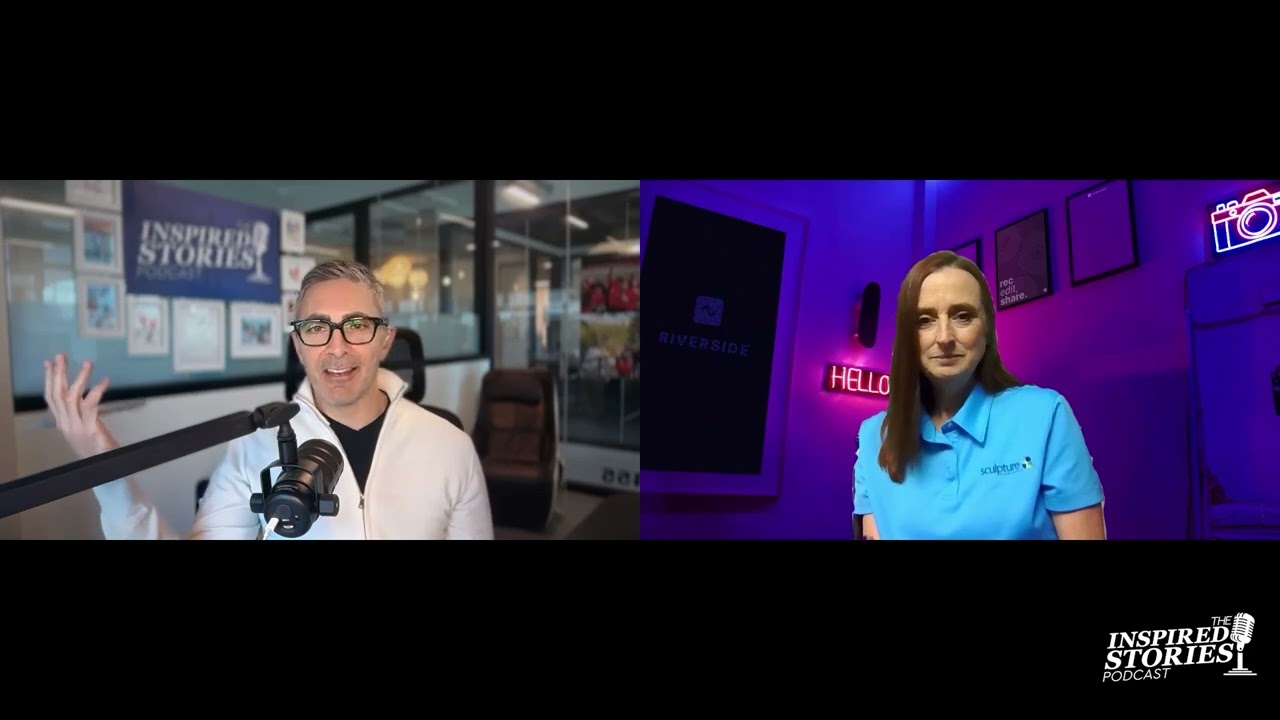
Welcome to another edition of the inspired stories podcast where leaders share their experiences so we can learn from their successes and be inspired by how they've overcome adversity. As you listen today, let one idea shape what you do next. My name is Anthony Codaspodi and today's guest is Elizabeth McKee, hospitality consultant for Sculpture Hospitality of the Gulf Coast of Alabama.
They have been helping bars and restaurants master their inventory since 1987. Their team blends easy to use software with hands-on audits to track every ounce of liquor, beer, wine, and food. The goal is simple. Cut waste, stop overpouring, grow profit. Across its network, Sculpture Hospitality reports average results of a 15 % increase in sales, a 30 % drop in inventory losses,
and a 4 % savings on food costs. Those numbers have earned the company a reputation as a leader in the beverage control industry for more than 35 years. Elizabeth brings that proven system to independent venues and chains along the Alabama coast. She is known by her clients for clear reports, practical coaching, and a passion for seeing owners succeed.
Before joining Sculpture Hospitality, she spent years working inside local bars and restaurants, learning the business from the ground up. Now, before we get into all that good stuff, today's episode is brought to you by my company, Ad Back Benefits Agency. Hey, if you run a business, you are likely stuck in the cycle of rising insurance premiums. You're paying more, but your team is getting less. And many people can't afford coverage at all. We do things differently.
We offer a solution that provides your employees with unlimited access to doctors, therapists, and prescriptions that's always free for them to use. But here's where you really need to pay attention. Unlike every other employee benefit out there, our program puts more money into your company's bank account. As an example, we recently helped a client increase net profits by $900 per employee per year. Gains like that can change how a business is valued.
Results vary, but the consultation is free. See if you qualify today at addbackbenefits.com. All right, back to our guest today, the owner of Sculpture Hospitality of the Alabama Gulf Coast, Elizabeth McKee. Thanks for making the time to share your story today.
Elizabeth McKee (02:32)
So happy to be here. Thank you.
Anthony Codispoti (02:34)
So Elizabeth, how did you get your first introduction to the bar and restaurant world?
Elizabeth McKee (02:41)
I started serving at a Mom and Pop catfish restaurant when I was 14 years old and I've been doing it ever since.
Anthony Codispoti (02:51)
So 14 years old, never left the industry, never went somewhere else, just fell in love with restaurants and that's where you've been.
Elizabeth McKee (03:00)
I've done other things, but I always had a side gig in a restaurant when I was doing other things. And I found where I really didn't want to be stuck in a cubicle all day. And this allows me to do that and interact with people. And I really love it.
Anthony Codispoti (03:18)
What is it that you love about it so much?
Elizabeth McKee (03:23)
So I'm a people pleaser, right? By nature. And so that's what I love about it. I love giving guests as a lightful experience, making sure that they're able to, you know, enjoy their time, whether they're in a hotel or a restaurant or a bar, that they're having a good time and they leave smiling. And so that's what drew me to it and why I really like to stay there.
Anthony Codispoti (03:50)
You love pleasing people. You love that hospitality aspect of it. You got to learn the business from the inside out. And you saw what the problems were in the industry, what some of the challenges and the struggles were, which became very helpful when the opportunity to become a franchisee for Sculpture Hospitality came about. How did that opportunity present itself?
Elizabeth McKee (04:13)
Well, actually I was working at one of my other, I was a manager at a retail store and one of my employees actually worked for sculpture hospitality doing actual inventories. And she just approached me and it's like, Hey, I have this thing that I'm doing on the side. And if you want to ride with me and come see what it's about, come on. So I did. And that was about 20 years ago. And I started.
doing it part time and then part time turned into full time and that's how it happened.
Anthony Codispoti (04:50)
And so did you take over an existing franchise then at some point, the one that you were working at?
Elizabeth McKee (04:58)
I did not. actually worked through that franchise and worked my way up from just a part-time inventory counter to basically a regional manager type position. And then when this territory in South Alabama became available, I jumped on it. It was always a second home, so to speak, for me. I'm originally from North Alabama.
And when I saw this territory come open, it was a no-brainer that this is where we needed to be.
Anthony Codispoti (05:31)
Okay. And we were just talking before we went live, here we are February 13th recording this. And you're excited because, and this was new to me, South Alabama is a huge area for Mardi Gras celebrations, yeah?
Elizabeth McKee (05:47)
Yeah, that's right. We're deep into it now. There'll be parades every day until Tuesday. And so it's really big for tourism, hospitality industry. And this is a really big boom for us before the spring breakers start coming and then we roll into the summer season. So, so yeah, it's, it's great.
Anthony Codispoti (06:09)
So your clients are gonna be humming this weekend, right? Good business.
Elizabeth McKee (06:12)
We're
huh? Yes, absolutely. We've paused all inventories until Ash Wednesday. We're going to let him just roll with it and then after that we'll come in and count the aftermath.
Anthony Codispoti (06:24)
Okay, so we kind of hit the highlights of what you guys do in the intro, but walk us through a client engagement, right? You've signed up a client, you walk into their place of business, and what are you doing for them?
Elizabeth McKee (06:40)
It can look different ways for different clients to be honest. I really pride myself on sculpting the program or what they need. But in a nutshell, we come in, we inventory all of their products or we give them software so they can do it themselves. But we train them to do a very thorough inventory and then match.
their inventory with their sales and their purchases and the next week we're able to tell them what their variances are, what they need to order for the next seven days, those sort of things. And then I think a lot of people, they say, well, I do my own inventory, but they're counting to be able to order or they're counting just because their accountant needs month end numbers, right? And what we do and what's super important is the data that falls out once you do that inventory.
And that's where we really hone into things.
Anthony Codispoti (07:41)
To say more about that, what do mean the data that falls out of doing that inventory?
Elizabeth McKee (07:46)
So being able to take the numbers, not just a physical count, but the dollar amount that goes with that and look at your pricing is your menu priced correctly. with the prices fluctuating as they do keeping an eye on that, what we paid last month for rebate, it's not what we paid this month for rebate. And so making sure that our profit margins stay where they need to be and where we, you know, where we want them.
and making sure we're tracking losses and our waste and things like that that don't typically come out if you're just solely counting quantities.
Anthony Codispoti (08:23)
Right. So I the typical business I go into my freezer and I see, I've got, I don't know, 50 pounds of hamburgers. I know that I need going to need 150. So I better order some more. But that is not telling me what took place between this time and the last inventory count where maybe I only sold 40 pounds of hamburgers, but I've got 50 pounds that are missing. There's that 10 pound variance. Right. This is part of what you're trying to find is
where these losses are happening.
Elizabeth McKee (08:56)
Yeah, absolutely. take and then we take those losses and try to pinpoint where they are happening because it could just be a portioning problem. It could be, you know, it could be waste. Maybe we're ordering too much and part of that's going bad. So really honing in on what that looks like and where it's going.
Anthony Codispoti (09:17)
I'm to do that, you would need to do pretty regular inventory counts, right? Like if you guys are coming in and doing your thing, I'm gonna make up a number, once a month, and then you're trying to find waste that happened three weeks ago, it's probably harder to kind of retrace and recreate the story of what happened.
Elizabeth McKee (09:37)
It absolutely is. mean, I think most of us in our busy lives, especially in the hospitality industry, it's very hard for us to even know what we ate for breakfast that morning. Right. So to go back into an inventory and you're trying to find something that happened a month ago is really, really hard. Most of my clients are on a weekly basis. we count every Monday or we count, you know, whatever day that way they have a good idea.
know what they need to order and things like that and we can't address anything that looks weird. It's a little pressure on their minds you know when it comes up.
Anthony Codispoti (10:17)
Let's walk through just a handful of examples of some of the most common things that you find when there is that variance. What are the leading causes?
Elizabeth McKee (10:26)
Sure, so in so we do food inventory and we do bar inventory and they are different as not in day. With the bar, mainly what we find is overpouring. You know if you have a recipe set to a set example, you have very often where and it's often not malicious and I want to say that because like a lot of people are like my bartenders are stealing.
And that's not like we don't, don't like to approach it that way. I like to approach it in a way where maybe it's a lack of education. And so we want to provide that. So that's something that we find that it's just overpouring or the lack of education, not knowing what goes in a drink and they're making it their own way. And it's not per the standard of the restaurant. also deliveries, this
that especially here and I don't know it may be nationwide. know that hiring is very hard right now and that even goes for our delivery people and so there's a high turnover in that industry. So oftentimes people are delivering, they are not checking you know off what comes in and so that's another example of something that you know we might be missing that 50 pounds of ground beef because it just wasn't delivered.
Anthony Codispoti (11:48)
So let's go to the overpouring. As a customer of a bar or restaurant, I appreciate that neighborhood pours, we like to call it. As the business owner, you're setting up your financials, you're budgeting everything. This is priced for a certain amount of liquor distribution. How do you coach the folks working at the bar to make the appropriate pour?
Elizabeth McKee (12:16)
they will go into a little bartending training and also explaining to the bartenders that just because you might give a neighborhood pour, right? That also may decrease your tips where, and you would think, well, I'm pouring more. They're going to tip me more because I'm hooking them up. But the age that we live in today, that's so digital that we all get that receipt at the end of the day, or we get the handheld that just, we just push a button.
That 12%, 25%, whatever it is, you know, that's pre-programmed when you go out to eat on the little devices they use. And so if you pour me, say you pour me a margarita and it's overpoured, I'm only going to probably buy one. But if you pour me one that's not, there's a chance that I may buy two. And so that in itself doubles my tab where I'm going to tip off that tab.
and you're gonna make more money as a bartender.
Anthony Codispoti (13:19)
It makes a lot of sense. In that way, you're really helping the bartenders align their goals with the business owner's goals. And so then how, how can, I'm sorry, go ahead, Elizabeth.
Elizabeth McKee (13:27)
That's right. And also, no, I'm
so sorry. I was just going to say, also that if you do that, it keeps consistency. So every time I come in, I'm going to get the same drink.
Anthony Codispoti (13:41)
That makes a lot of sense. How are you teaching them to make the correct pour? Are you like, okay, hey, we're gonna pour into this standard measured shot glass and you know, that's how you're gonna distribute it. Is there some sort of a device that they hook up onto the liquor bottle? What's the approach?
Elizabeth McKee (13:59)
No, there's
no device for the liquor bottle. I mean, they have jiggers, which are what you're talking about, the little pre-portioned things. And some bartenders use that. But most of it, like for a seasoned bartender, it's muscle memory. And they use what they call counts. And so they count to three or they count to four, but they just need to remember if they're training other people on their staff, they may not count the same cadence that the other person does.
and just to know what your count is. And if your three count is an ounce and a half or an ounce and a quarter, then that's what you need to be pouring. And so that it's just reminding them practice makes perfect. Just knowing what your counts are. don't necessarily go in and, you know, I give them different tools saying you can use a jigger or you just need to know your counts. But I don't we don't get that hands on. I mean, we can. But most of the time we give them the information.
So this is what's going on and we just need to be able to be accountable. And that's really what the whole program is about.
Anthony Codispoti (15:06)
So say more about the accountability. I know this is important for you.
Elizabeth McKee (15:11)
Sure. So it's, that's when it goes back to saying like, we're not talking about malicious, malicious things. We're talking about things that we just need to be accountable for. If you drop a bottle, we need to account for that. So we know where it goes. It goes in the waste category. If you are, you know, happen to need to replace something because you made a drink wrong, we want to be accountable for that. And so that's how the whole program works. And it's very scary for some
owners and even bartenders for a system like ours to be put in place because they think that we're the, you know, liquor police or something like that, right? And it's not, that's not the case. We just need as an owner, you need to know where your liquor or your food is going. You need to know what's going out the door, what's being paid for, what's not being paid for. And you want to hold your staff accountable in a way.
that is you don't necessarily have to be the bad guy, right? Like you have this program in place. It's not based on assumptions. It's based on real numbers and the numbers don't lie. And that's the important part of just being like holding people accountable. You have something to hold them accountable for. And then it doesn't have to be, it doesn't have to be, you know, cops and robbers kind of situation.
Anthony Codispoti (16:35)
Yeah, it doesn't,
you don't have to have so much tension there. I see what you're saying. It's interesting. hadn't thought of it that way that, you know, one of the benefits of having service like, you know, sculpture there is that right. takes the owner out from being the bad guy or the, maybe the general manager, depending on the size of the operation. And so you're coming in, you're like, Hey, we're just, know, here's some data. you know, we're seeing some losses here. here's where we think that's happening. And
Here's some training that we can offer, some ideas that we can present. so, right, you take sort of that internal tension away because you guys are coming in and providing that service as a third party.
Elizabeth McKee (17:19)
That's right, because we're in biased. doesn't do any good for us to manipulate anything. We're just providing numbers. This is what it is. I don't have a horse in the race. And so it really does take a lot of tension off of the owners. It takes a lot of tension off the managers and the bartenders. And that's absolutely correct.
Anthony Codispoti (17:40)
So I want to go through some of the numbers that we mentioned in the intro. 4 % savings on food cost. And are you finding that most of this is just waste, like order too much raw hamburger meat and it went bad and so we have to throw it out?
Elizabeth McKee (17:59)
Some of it's that, some of it's portioning. You know, they don't have something in place to where every hamburger is an eight ounce hamburger. They're just patting them out to, you know, site or whatever, that sort of thing. I mean, I have gone into places where like full cases of chicken wings were walking out the back door. Just because, you know, so it is a combination of like,
everything together and that's why it's important to like do your inventory and be accountable for your inventory because a lot of times you don't, depending on how big of an operation you are, you may not even miss that at all.
Anthony Codispoti (18:39)
Talk to me then about the 30 % drop in inventory losses. That's a big difference from the 4 % savings on food cost. Is that because more of the losses tend to come on the wine and liquor side of things?
Elizabeth McKee (18:54)
Yeah, so most bars that I go into, when I start, have at least a 30 % loss in liquor. So, or even say if you said 25, so means 20, like a quarter of all the liquor that's going across the bar is not being paid for in some shape, form, or fashion. Whether it be overpouring, whether it be theft, wherever it be, hooking up, you your boyfriend at the end of the bar, that sort of thing.
There's all sorts of reasons, you know, not being delivered. And so by just monitoring that on a weekly basis and knowing what you have and what you're supposed to have and matching that with your sales and purchases, it automatically increases or decreases that loss to around most of my clients enjoy around a 4 % loss instead of a 25 % loss.
Anthony Codispoti (19:49)
Wow, that's significant. And the 15 % increase in sales, is that kind of what you were saying before? If instead of pouring a double margarita, you pour a normal margarita, then they're more likely to order a second one?
Elizabeth McKee (19:52)
It really is.
Yeah, in the bar, absolutely. And also with even in food, right? Like we, you know, we'll talk about dead stock and things that are in liquor and beer. Talk about dead stock and how, these things are just sitting here. Let's get those moving. You know, we'll look at after a while, we'll look at 30 days worth of inventory and we'll say these things haven't moved. Let's get them off the shelf. So we'll help increase those sales in that manner too, just by using
you know, our dead stock methods.
Anthony Codispoti (20:37)
Can you share a specific story, particularly challenging client situation, where you were able to help them reduce losses or increase profits in a pretty significant way?
Elizabeth McKee (20:49)
Yeah, sure. So, one restaurant in particular that I can think of that I went in, when we first started and they were losing about 25 to 30 % of their liquor beer, wine, and they're a high volume place, very high volume place. And we got them under control, got their liquor, liquor losses around 4%. And I mean, that fluctuates, you know, like
Sometimes it might be seven, sometimes it might be one, but you know, four on average. And when we did that after doing the calculations of what that retail value on that loss was, that in the year had they continued on the route that they were going, they would have lost $88,000 in revenue. So by
either one not losing that amount at cost or not losing that amount in revenue. So I think the truth is somewhere in the middle, right? They were able to increase their sales and their bottom line significantly by using our service. Usually their return on investments around 200 % in the bar area.
Anthony Codispoti (22:14)
So the fee that they pay you, they're traditionally getting a 200 % ROI.
Elizabeth McKee (22:21)
Most yeah, most in most instances. It's not super expensive, you know, like we want to make sure that we provide. My goal is to help them make more money. So I'm not charging. I would if I went into a place and say they had it under control, right? I'm going to tell them I'm going to say look like my services are available. I have this app can make you count faster, you know, save you some time like
base because pen and paper is a thing of the past, right? But if they're like if they're rolling along and they're doing a great job, I'm going to tell them you're doing a great job. Like I don't think I need to be here every week. Like you're doing it right. But I also have tools available to help make your life a little easier. So they may not need my consulting. You know, they may not need the my two cents. They may just need my app. But then other
Anthony Codispoti (23:03)
Okay.
Tell us about the app.
Elizabeth McKee (23:21)
So the app is what I actually use to count the inventory and it's just available. we have, I can customize what we do in so many different ways, but the app has barcode technology. We're able to scan the bottles or scan the cases of food and Bluetooths with a scale that we are like weighing the bottles. We're not just tempting them, guessing what's in the bottle. So the same thing with food we're weighing.
and getting everything down as accurate as we can. And so that app syncs to the cloud. And then you have this whole suite of information online that you can use on your own or with me.
Anthony Codispoti (24:06)
That's pretty slick. So here's what I'm envisioning, right? I've got a bottle of Stolleys. I pull that down. There's a barcode on it. I scan that with the app. put it on the Bluetooth scale. And because all of these things are synced together, it's like super fast and it's in the cloud. And then I put the Stolleys back and I grab the Bacardi and I do the same thing. And I can get this done in a fraction of the time.
Elizabeth McKee (24:28)
That's right.
of the time and it's accurate most important.
Anthony Codispoti (24:34)
Yeah, right. I want to talk a little bit more about the opportunity at the Gulf Coast. You grew up in North Alabama and you were working at a sculpture hospitality and when the territory and the Gulf Coast became available, you were all over it. Like not a second thought. Like for folks who haven't been to the Gulf Coast, tell us more about it. Why were you so excited about this particular region?
Elizabeth McKee (25:01)
well, it's one of the fastest growing areas in the United States as far as population goes. So as a business owner, like that just made, I mean, made absolute sense. Like this is where I need to be. And so that was super important to me. Also it's beautiful. have beautiful white sand beaches. and here in Alabama and a lot of people don't even realize their speeches in Alabama, right?
Beautiful Watsons and beaches. You know, we have a great tourist season, but as a business owner, the growth of the area and the metropolitan area of Mobile and Mobile County, and then the beaches and the tourist areas and the more rural areas over in Baldwin County, it's kind of like a great combination of everything you could want, you know? And so that was just the draw of the business and how much.
this area is growing and it's just booming. That was the big draw, but all of the extra recreational and the beauty here was a lot of it too. And I grew up coming here. So it was like our vacation place.
Anthony Codispoti (26:14)
Yeah. Is there anything different about how you think you run your sculpture hospitality franchise versus other parts of the country? Anything that you have to kind of tweak in terms of your client approach and the services that you're offering?
Elizabeth McKee (26:31)
Sometimes, you know, with the seasonal clients in the tourist areas, I do have to sometimes, like we may have a lull season where we won't do anything for a few months. So that's super challenging when it comes to budgeting and things like that. I really dread, you know, when winter comes and the beach bar shut down, you know, because that's hard on the pocketbook. But
You know, we have to just find things like luckily I do have the metropolitan area mobile on the other side of me. So we're, back and forth. you know, when it comes to that, but I think more of like what I do that's special compared to the other part of the country. And I mean, I don't know like how other people may do this too, but for me, I make sure that I am as hands on as they need me to be. And I also just provide other.
consulting other than inventory to my clients because I've been in the industry for so long and I've just had this wealth of knowledge that that's just bouncing around up here in my head. So I've become the go-to person for just different things. Like for example, yesterday I was at a beach bar, they're opening their tiki bar up for the season and you know, they needed some banners made. And so I was like, I can do that, you know, and so
Just those sort of things and it just anything I can do to help take tasks off of the owner or the GM's plate where they can focus on their guests is what I want to do. So that's what I do differently. I don't know that it's necessarily like regionally, you know, because I'm here on the Gulf Coast, but it's just because of who I am.
Anthony Codispoti (28:19)
Say more about some of those extra services. I mean, you specifically mentioned, oh, they need some signage. I can take care of that. I've done that before. I can get that done. What are some other things that you're able to help?
Elizabeth McKee (28:30)
Well, I think in hospitality, we learn how to connect people, whether it be, you know, just because we're wanting everybody to have a delightful experience, right? So if we're in a hotel and somebody comes in, we're going to refer them to the best place for dinner or so forth and so on. So I think naturally being a connector of people is something that I do for my clients. And so if they.
Hey, do you know, like, what is the rep for this, like, you know, the representative for this particular liquor or can I get in with maybe pair up with some nonprofits, you know, because I want to have an event at my space, those sort of things. And I work with the tribal council of Alabama and also I have a dear friend that works with the University of Alabama and she's in our area.
like helping bridge the gap between academia and industry. And so I like working with her and introducing her to my clients. And so we are all just one big network. And so that's what, that's what I try to bring to the table that's extra is just anything, you know, like it's not just, it's not just, I can do this for you. It's not most of it's not self-serving, right? Like it's just because I want to help them.
find the best solution to whatever problem they have, whether it's inventory or not.
Anthony Codispoti (30:00)
You're a connector of people, like you said. What is the connection with the University of Alabama? Where's the sort of mutual interest there?
Elizabeth McKee (30:10)
Well, I met, um, my friend, uh, Bethany Brenlinger and she's with the university of Alabama and she is down here. Like working and putting on training programs for the hospitality industry. And she's with the school of hospitality and sports management. So she's down here doing that. And I don't want to speak too much on it because I don't like, I don't want to say something that's wrong. Right. But my best knowledge of it is she's.
doing these workshops for frontline workers and trying to help increase the quality of work and the quality of life for people who are on the frontline because I don't know those of those people who have worked in the frontline of hospitality, it's hard. It's a super hard job and being in the kitchen and then on those stoves all day like a full shift. It's a hard job. And so it's for her.
I know that we've just discussed like bringing recognition to those people and helping them figure out, like, let them know like how important they are because without our frontline people, none of this would, it wouldn't work. Right. So that's when I met her and we just had that common, like, help wanting to help people and make sure that, you know, that there are, employees are happy and that they're doing those things. That's what like.
Anthony Codispoti (31:23)
Yeah.
Elizabeth McKee (31:38)
I think bonded our relationship and so we just have very common interests and so I'm happy to always refer her program to my clients too.
Anthony Codispoti (31:46)
That's awesome. I love stories like that. How about some emerging trends or technology in hospitality that you're excited about? Something that's either like brand new or something that's coming.
Elizabeth McKee (31:48)
Yes.
that's a good question. I'm, I'll just be completely honest with you. I'm, I'm so in the trenches. Like right now that as far as anything new and upcoming, I think, you know, of course our software is incredible compared to, you know, the old way of doing inventory, but you know, there's always new POS systems coming out and things like that. And, you know, I'm always excited to see what.
they have that is new because we pair and integrate with a lot of different POS systems with our software. And so that is probably the biggest thing that I would even know about, but not enough to probably speak on.
Anthony Codispoti (32:43)
Yeah, that's great that you guys in. I just lost the word. You your systems talk to the POS systems. What's the word I'm looking for? Elizabeth? Integrate? Yeah, yeah.
Elizabeth McKee (32:57)
Yeah, we integrate with them, yet
that and different ordering systems too. So a lot of the food vendors and alcohol vendors, our systems integrate with them too. So it makes ordering easier and things like that.
Anthony Codispoti (33:11)
So tell us who your typical client is. Do they have to be of a certain size, like a minimum size or like a maximum size they tend to not want to use your services? Kind of paint a picture for us.
Elizabeth McKee (33:25)
Um, that's a really good question because we serve anybody. Um, we, we, because we can tailor our services and it's not a one size fits all that we can serve pretty much anybody. have small, you know, mom and pop dive bars that are just tiny, not much, but you know, profits are super important to them because that's
That's their kids ballet lesson, you know, and then we also have nationwide chains that, that I don't particularly have any in my, in my particular territory, but there are other like chains like across the United States, like that are huge that use it too, because they, everybody has to do inventory. If you have a product, you have to count it. And if you're not,
you're doing something wrong. You have to. I mean, it's just you have to count your inventory. And so we just make it easier.
Anthony Codispoti (34:34)
What have been some of the most effective ways for you to grow your business?
Elizabeth McKee (34:39)
Networking, providing the little things that I talked about earlier. Referrals. mostly I don't advertise necessarily. I might put a Facebook post up every now and then, but most of my clients come from referrals and that is just. You know. Because of that and not just because of that, but I want to make sure that my clients are taken care of.
You know, if I need, they need me to hold their hand for a little while. I'm going to be there to do it. If they want me to be hands off, I'm going to be hands off. Whatever they need, because I want them to go to their buddy that owns the bar down the street that they're having a beer with that says, golly, I just can't, I'm so sick of ordering. I can't ever get it right. Hey, call, call. I know who you can call, you know? And so that's
been the biggest way that I grow my business that and just, you know, showing up some networking events and then giving my time when I can for different, different things that, know, charitable things where people are raising money and they need somebody to volunteer. try to do that too.
Anthony Codispoti (35:49)
Yeah. I mean, it says volumes about the quality of your work that most of your new business comes from referrals, right? Because somebody's got to think really highly of what you're doing to go out of their way to tell a competitor slash friend that, know, Elizabeth is the one that you need to see on this.
Elizabeth McKee (36:09)
Yeah, I think about I'd say 80 to 85 % of my new growth is from referrals. Yeah.
Anthony Codispoti (36:18)
What does
the future of your particular Sculpture Hospitality franchise look like? Is there growth in new services, just continuing to grow more locations in your existing locations? How do you think about this?
Elizabeth McKee (36:33)
Yeah,
I think that I'm working really hard to pick up new locations in my territory. I would love to buy other territories, you know, if I ever got to that point. I'm not there, you know, yet, but just really reaching out and seeing who I can help and how I can help. that's, that's how I'm, you know, that's where I see my
my future goal.
Anthony Codispoti (37:01)
Yeah. If you had to recommend a book or a course, a podcast, something that's been helpful for you in your personal or career development, what would you say for the audience?
Elizabeth McKee (37:15)
So I'm a firm believer in Sandler selling. had a, it is a franchise sales coaches and my sales coach was Sandler, name's Brian Jackson. He's amazing and he's given me the ability to make sure that I'm
Anthony Codispoti (37:21)
What is that?
Elizabeth McKee (37:44)
Being very intentional with my conversations when I am in front of people, whether they're referrals or cold calls or whatever. Right. And so that just having like a conversational approach because I hate going to a car lot, right? Like, and you go in and you have the car salesman come in and they're pushy and they talk over you and that sort of thing. And we talked earlier before the podcast started about how as entrepreneurs, we get very excited.
about what we do. And once I started taking that course, I realized that I probably had a lot of failed opportunities in front of people because I got excited and I was trying to sell them features and benefits that I was excited about versus really listening to what they needed. And so that was life changing for me to be able to sit down
And really, and that's when I really started customizing what I do for my clients, because I really started listening more to what they wanted and what they needed instead of, know, and asking the right questions to get to the core of what really is the truth of what they need. And, so that, that, you know, he has a podcast and then also, you know, the services, like as a sales coach and it's, it's really been amazing.
Anthony Codispoti (39:08)
And his
name is Brian Jackson and the selling technique that he promotes is Sandler selling.
Elizabeth McKee (39:17)
That's correct. Yes.
Anthony Codispoti (39:18)
And so give us an example of some of the questions that you've learned to ask when you're talking with a new prospect.
Elizabeth McKee (39:27)
Well, maybe just going in and asking like, what do you do for inventory? You know, how does that work for you? You know, and getting that, that sort of thing instead of saying, well, I've got something better, you know, we count by, you know, pen and paper instead of saying, pen and paper is think of fast. Do you need my app? Right. I don't do that necessarily anymore. I try to go in and say, well, how's the pen and paper working? You know, okay, well, it works great. Like it's fine. You know,
What kind of data are you able to get from that? And so to be able just on the selling end of it, to be able to find out, like really dig in and ask the questions that dig at, like pull out the answers because you want to get to the point where it's like, what about like time? Like how long does that take you? Well, what could you do if you had an extra two hours in the day? And that really helped me with the selling aspect and figuring out what people needed from me.
Anthony Codispoti (40:23)
You found that your close rate increased because you were really getting to the heart of what their problem was rather than what you assumed it was.
Elizabeth McKee (40:32)
Right, right. And it's amazing how wrong I was so many times when I would go in and say, you know, think this is I'm going to have this solution and this is what they need. And it be I couldn't have been more wrong. I still had a solution for them, but it wasn't the one that I thought they needed.
Anthony Codispoti (40:56)
Gotcha. Let's shift gears here, Elizabeth. I'd be curious to hear about a serious challenge that you've overcome in your life. How did you get through that and what did you learn going through it?
Elizabeth McKee (41:14)
Well, I think that most of us have serious challenges every day of our life, right? I mean, it may not be as.
Some worse than others, but I think for anybody to walk around thinking that nobody else has like this person does not have any problems at all is.
is just not like that's ridiculous. Right. And so for me, mean, business wise, this year, this past year, 2025 was very hard for me. Every year I've been in business, I've always doubled my clients. And this year I didn't, I lost clients. And I think a lot of it was economy driven, just based on conversations that I had.
you know, with the people that that left part of them closed down, you know, because rent was, you know, rent went too high or they couldn't, you know, stay in the space that they were in and it didn't make sense to move. But I will I'm proud to say that everybody that I that has left.
You know, we had serious conversations about the services that I was providing to make sure, you know, and it never was like, it's not that we just can't really afford it right now because we can't even afford rent. Like we're having trouble with groceries. Most of them are really small businesses. and I don't know what that is. Like, I don't know, you know, there, I don't think there's one thing you can point the finger at, you know, and, and I don't, I don't know, you know, it just like happened.
And I think after the rate of success that I had for so many years, it was probably bound to happen and it was just the time. So it's been really hard to bounce back from that, you know, because once you are doing X amount, you set your budgets for that. And so, you know, we've had to cut back on things and stuff like that, but still doing well and growing. Um, but it just kind of at the beginning of last year, kind of took a dip.
And so it was, was really, it's been tough, but we're, we're doing good and we're growing again and getting new clients and just had to, you know, adjust.
Anthony Codispoti (43:40)
Yeah.
Yeah, something like that really knocks your confidence. You know, you had multiple years of doubling your growth every year and you're like, well, yeah, I've kind of got a knack for this. You know, you learn some things in the selling techniques, you understand the business really well. Natural to assume that you're going to keep growing at a somewhat similar pace. And then for reasons outside of your control, the economy, you know, takes a dip.
some of these places just close, they can't afford their other bills, they've got to start making cuts. You know, it's not not anything that you're doing wrong, but still like your self confidence really takes a beating in that like you start I'm going to assume anyway, you start questioning yourself. Yeah.
Elizabeth McKee (44:24)
Yeah, absolutely. Like what am I, what am I doing wrong? What is like, and that's why I went to those people and I fortunately have really good relationships with all of my clients to where I was comfortable to go to them and say, look, like, is it, you know, is it me? But to find out like, or is it their problem with staffing or what is the deal, you know, what is going on? And so they were also very open, you know, with their struggles that they were having in their businesses.
You know, that weren't inventory related that to be able to share that with me. so they go, okay, well, they're not the only, like, I'm not the only one struggling. They're struggling. And it's kind of a domino effect and people in other industries having the same thing. And it was very surprising because, you know, I own this franchise through COVID and we, you know, when we all shut down.
It was super scary, but every client I went into COVID with, came out of COVID with except for one, and they were shutting down anyway. And so for it, like if I was going to think that was going to happen, it would have been during the COVID era, right? And so it was really shocking and kind of blindsided me. I was not expecting it at all. And the confidence just tanked.
Anthony Codispoti (45:45)
Have you been able to kind of regain your confidence yet? Is it still kind of in the process?
Elizabeth McKee (45:49)
So...
I think recently in the most recent months, I've kind of taken a step back, some inventory of my own as far as what's working, what's not working, going back to like the basics of focusing on my selling strategy and that sort of thing and being more intentional of...
doing things with my community, right? And going and doing things that maybe aren't profit driven. And that's helped me a lot with my confidence because there's no skin in the game, right? Like there's not, I don't have a lot riding on it other than just performing well with the people that I'm doing these things with. And whether we're raising money for like a scholarship fund or something like that, those sorts of events.
Also remind me of why I love hospitality. And so if I'm out there like helping, like recently we just did a, the Panini cook-off, in Mobile for the senior bowl, which is the start of the NFL draft. And so they have, scholarship funds for the senior bowl scholarship, or maybe not scholarship, but it's a, it's a nonprofit they have. And so we were raising money for that and going out and doing this cook-off and
watching everybody, you know, provide what they had and being there of service, reminded me how much I loved hospitality. And that really gave me a huge boost to confidence because I was like, yeah, I know what I'm doing. I've been doing this a long time, you know, so that really helped. And I really highly suggest anybody that feels in the dumps that they may you be losing their confidence to go volunteer somewhere.
doing something that you love to do because it'll remind you why you're doing what you're doing and why you love that and that really that's there's nothing better in confident boosting than that.
Anthony Codispoti (48:01)
I love that. That's such great advice. And even better if that thing that you enjoy doing involves being around other people, because I think that that has a really healing effect for folks too.
Elizabeth McKee (48:12)
Absolutely.
Anthony Codispoti (48:12)
Now, as you look at some of the businesses that are struggling, the bars and restaurants that you are working with now have worked with before. Are you seeing it happen at a particular end of who they serve? Like, is it fine dining? Is it the folks that are in the middle? Is it kind of the, you know, lower cost establishments?
Elizabeth McKee (48:39)
Yeah, it's everybody. It's everybody. And part of it is maybe not being able to get staff, you know, not being able to afford staff because that's one thing that COVID did also during that era was raise wages, which is great for frontline workers and stuff. But like when it comes to the owner, you know, you have to raise your prices of your
cheeseburgers, for instance, to be able to pay, you know, your living wage to your frontline workers. And it just, it all, it doesn't matter. Like it all, all, it all goes together. So fine dining, your, you know, dive bar with $3 beer, like what, it doesn't matter. It affects everybody because you know, we're just one big cycle. And because there may be some people that are working in the fine dining industry.
They are the people that frequent, you know, your local dive bar that services that, you know, that caters to service industry people. And so those sort of things, it's just one big cycle and we're all in it together and everybody has their struggles. Absolutely.
Anthony Codispoti (49:54)
We're all interconnected. What's your superpower, Elizabeth?
Elizabeth McKee (50:03)
wow, that's a really great question. I think connecting people is my superpower. I really, maybe I should have been a matchmaker. I don't know. But like, I'm kidding. I do not want to do that. But, but, but seriously, I mean, I do love connecting people. I love for somebody to say, gosh, I, I really need a realtor and maybe able to go, I know somebody, you know, I know this like great person. You're going to love her. That sort of thing.
Like that's my superpower, I really think.
Anthony Codispoti (50:36)
I love that. Any daily practices that either help to get you started or keep you on track throughout the day?
Elizabeth McKee (50:45)
No, not really. am very ADHD and I am just all over the place all of the time. And so my friends that know me know this about me, but I am, I don't really have rituals. I don't, you know, get up and have my cup of coffee and meditate in the morning and things like that. I mean, I roll out of bed. get the kids to school on the days that, you know, that I need to do that. My husband absolutely, you know, helps.
100 % and helping get all of that done and making all this work. And I couldn't do it without him. so, but I am just, I'm just all over the place. So no, I don't. I I I don't, don't, I I don't, don't,
Anthony Codispoti (51:30)
I appreciate such the honest answer. There's so many people listening who are like, I'm tired of people telling me that they meditate. don't, I don't want to feel bad. You're like, Hey, I'm just I'm getting through the day. I flying by the seat of my pants. I got to get the kids to school. I got to get off to work. That's my ritual. I get up and get stuff done. Yeah.
Elizabeth McKee (51:39)
No.
Yeah, I'd go.
just go. I go, go, go. And I go till I can't and I probably should rest more than I do. But, you know, as a business owner, it's hard to do that. You know, we do have to carve out some time to see it, you know, and just kind of be still for a minute. But it doesn't happen very often. I'll be completely honest with you.
Anthony Codispoti (52:08)
I appreciate that. Is there something about your industry that you think surprises outsiders?
Elizabeth McKee (52:16)
How hard it is, especially for frontline workers, bartenders, servers, people in the kitchen. How hard it is for managers that are, you know, salaried, working 80 hours a week just to make that restaurant run. think a lot of people don't appreciate that because they don't know they've never worked in the industry before. Everybody should be prerequisite to life, should have to go wait tables.
for like even a day just to know how hard it is and to be able to appreciate and I'm the biggest critic like when I it's hard for me not to be the biggest critic when I go out to eat or something right because I know how things should be done but also I have to be hugely patient with them and you know to know like how hard it is and you don't know what that person just
you know, happened that morning before they came in to serve you lunch. And so I think, that would most surprise people because you hear so many complaints about things that are just what I would call petty things that they're just upset because of this, that are the other. I mean, obviously complaints are legit and you have to feel those as a business owner and adjust for those.
But I think people would be surprised how hard it is to be a frontline worker in the hospitality industry.
Anthony Codispoti (53:48)
I think that's a great thing for all of us who frequent restaurants and bars to keep in mind. Give your bartender, give your servers a bit of grace, right?
Elizabeth McKee (53:59)
Absolutely. Absolutely.
Anthony Codispoti (54:00)
Now,
what is something fun that you like to do outside of work?
Elizabeth McKee (54:07)
I like connecting, you know, with my friends and doing things with them. Nothing really in particular. used to, when I was in North Alabama, I liked to kayak a lot. I don't do that much down here, but, you know, spending time with my kids, going to their ball games, maybe going to the beach if we have time, getting in the car, just going for a drive. Those are my downtime things.
Anthony Codispoti (54:33)
Nice. Well, Elizabeth, I've just got one more question for you today. But before I ask it, I want to do three quick things for the audience. First of all, if you want to get in touch with Elizabeth McKee, got a few options here. First of all, the corporate website is sculpture hospitality calm. So wherever you're listening in the country, you can go there and you can find somebody that can help you in your locale. If you want to get in touch with Elizabeth directly.
I'm gonna give you both her email address and are you sure Elizabeth, your phone number too?
Elizabeth McKee (55:05)
Absolutely, I'm happy to help.
Anthony Codispoti (55:06)
Okay. All right, here we go. So email address is E.McKee, which is mckee, E.McKee at SculptureHospitality.com. And we'll have that in the show notes if you missed it. And her phone number is 251-222-4949. Again, 251-222-4949. And again, it'll all be in the show notes for you folks. So if you are enjoying the show today,
Please take a moment to subscribe wherever you're listening. It sends a signal that helps others discover our podcast. So thank you for taking a quick moment to do that right now. And as a reminder, you can be the hero advisor that helps clients give their employees access to therapists, doctors, and prescription meds while paradoxically increasing their net profits. Real gains that change how a business is valued. So learn more today at addbackbenefits.com.
Last question for you, Elizabeth. A year from now, what is one very specific thing that you hope to be celebrating?
Elizabeth McKee (56:12)
well.
Just being healthy, being as successful as I can be, and just that's what I want to be so.
Anthony Codispoti (56:25)
Love it. Good goals to have. Elizabeth McKee from Sculpture Hospitality. I want to be the first to thank you for sharing both your time and your story with us. I really appreciate you being here today.
Elizabeth McKee (56:38)
Thank you so much. I've enjoyed it.
Anthony Codispoti (56:40)
Folks, that's a wrap on another episode of the Inspired Stories podcast. Thanks for learning with us. And if one thing stood out, put that into action today.
Connect with Elizabeth McKee:
Company: Sculpture Hospitality of the Alabama Gulf Coast
Website: sculpturehospitality.com