🎙️ From Corporate Tech to Compassionate Care: Tracy Powers' Journey in Home Healthcare
In this episode, Tracy Powers, owner of Synergy Home Care franchises in Washington state, shares his transition from a successful corporate career to the world of non-medical home care. Tracy reveals how his mother's caregiving work inspired his career shift, the challenges of building a business during economic uncertainty, and his innovative approaches to growing in a competitive industry with razor-thin margins.
✨ Key Insights You'll Learn:
How personal connections to caregiving can inspire career transitions
The importance of responding effectively to challenges in home care
Strategies for recruiting and retaining quality caregivers
Ways to diversify revenue streams beyond private-pay clients
How to maintain quality care while managing business growth
🌟 Key People and Influences in Tracy's Journey:
Family Background: Mother who worked as a caregiver all her life and aunts who were nurses
Corporate Experience: Engineering and technical sales leadership at Texas Instruments, Compaq, Hewlett-Packard, and Sun Microsystems
Franchise Support: Synergy Home Care franchise partners who provided guidance during challenges
Caregiving Team: Field employees who deliver compassionate care daily
Community Partners: Healthcare providers, social workers, and insurance companies
Listen to the full episode here
Transcript
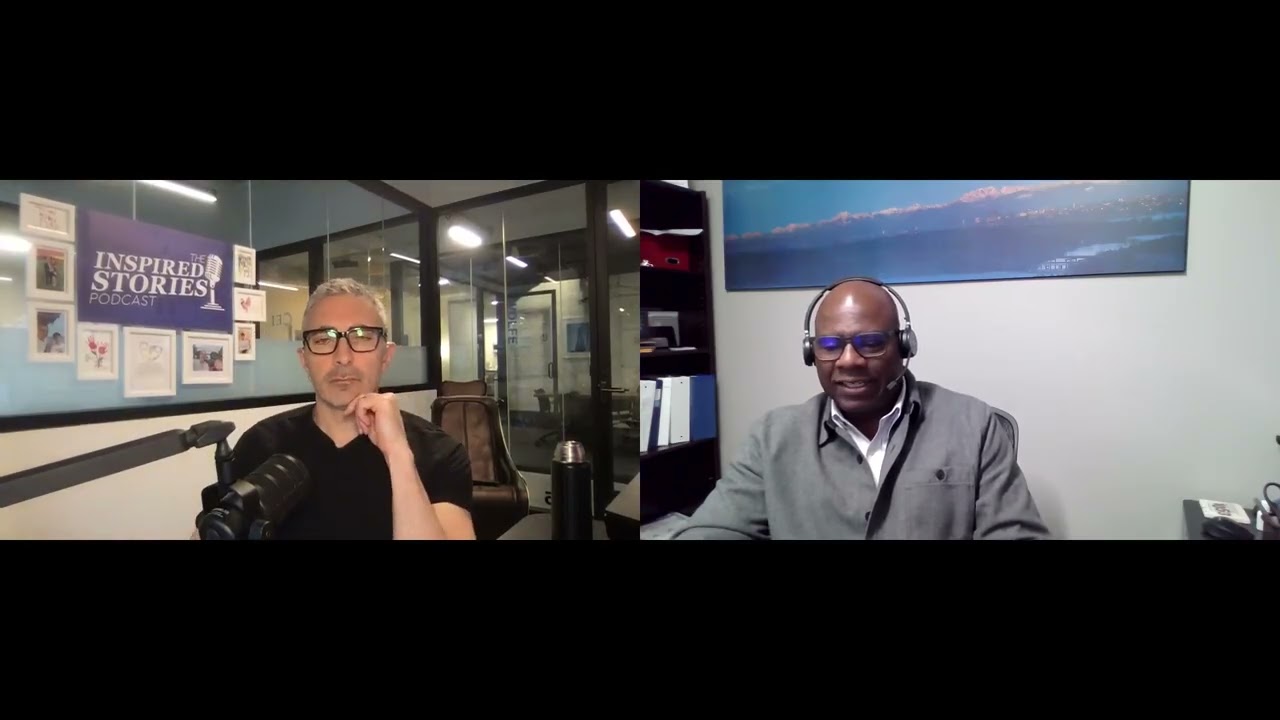
Anthony Codispoti: Welcome to another edition of the inspired stories podcast where leaders share their experiences so we can learn from their successes and be inspired by how they've overcome adversity. My name is Anthony Codispoti and today's guest is Tracy Powers, general manager and owner of Synergy Home Care of East King County, North Seattle and South Snohomitch in Washington. Synergy Home Care is a provider of non-medical in-home care for individuals of all ages and abilities. They focus on providing a comprehensive range of in-home care services that enable individuals to maintain their independence and enhance their quality of life within the comfort of their own homes. Their offerings include personal care assistance with daily activities, companionships to alleviate loneliness and housekeeping support along with errand and transportation services. specialized care for those with chronic illnesses or memory impairments, hospital-to-home transitional care, and 24-hour live-in care for continuous support. By delivering compassionate and personalized care, Synergy Home Care strives to improve the well-being of their clients and bring peace of mind to their families. Recognized for its consistent achievements, Synergy Home Care has experienced consecutive years of historic growth. Headquartered in Tempe, Arizona, they have over 400 offices across the country, ensuring compassionate care remains widely accessible. Now Tracy has owned and led his franchise since 2009. He continues to expand the reach of his team, ensuring people receive care that meets their unique needs. With over a decade of experience in home care management, Tracy understands the importance of personal attention, compassion, and innovation. He's committed to helping families and individuals find comfort and independence within their own homes. Now, before we get into all that good stuff, today's episode is brought to you by my company, AddBack Benefits Agency, where we offer very specific and unique employee benefits that are both great for your team and fiscally optimized for your bottom line. One recent client was able to add over $900 per employee per year in extra cashflow by implementing one of our innovative programs. Results vary for each company and some organizations may not be eligible. To find out if your company qualifies, contact us today at addbackbenefitsagency.com. All right, now back to our guest today, the general manager and owner of Synergy Home Care, Tracy Powers. I appreciate you making the time to share your story today.
Tracy Powers: that I could be here to do that. Looking forward to it.
Anthony Codispoti: So Tracy, the first thing is I need to check in on my pronunciation of Snowho Mitch.
Tracy Powers: Yeah, it's a snow homish. Snow homish, yes. That's all right.
Anthony Codispoti: Snow Homish, thank you. I knew I butchered that and I'm glad you were here to get me back on track. All right, so Tracy, before you got started with Synergy and in-home healthcare, what were you doing before? What was sort of your career trajectory? Actually, let's start a little bit earlier than that. What did you study in college?
Tracy Powers: What my Yeah, okay. So I studied, I went to Iowa State University, majored in mechanical engineering. And from there, I went to work for a company down in Texas, Texas instrument where we were designing, actually, these were top secret projects that at the time we weren't able to talk about it much. But I ended up doing quite a bit of design work down there as a mechanical engineer. But while attending there, I... I ended up getting my MBA and once I got my MBA, I worked for TI a little longer, went to compact computers design, started designing computers and then I had a taste for robotics and went into sales from there. I started out robotics design and then ended up going into sales and sales and then I thought of was in that area for the rest of my technical career. As I went through Compact Computers, I ended up joining here at Packard, again, into technical sales and marketing. And then from there, I Sun Microsystem. And it was still in there, and that's where I finished my career on the corporate side before I pursued the entrepreneur opportunity that I've been in since then.
Anthony Codispoti: Well, you worked for a lot of the big tech titans back in the day. TI, Compaq, Sun, I mean, these are some of the biggest names out there. And I'm curious, you mentioned at Texas Instruments, you worked on some top secret programs. Are they still top secret? Are you allowed to say anything about what you did?
Tracy Powers: Yeah, they were, know, yeah, you can say something about it. was, you know, was, you know, the missiles, missiles and things like that working on packaging a lot of those components. So, you know, you work with a group of engineers and you're trying to figure out how things are packaging. There was the manufacturing element and so well, I kind of worked through that designing a lot of manufacturing equipment that kept, you know, a lot of the workers safe and all that. and as they were going into. So I kind of had just a host of things you were doing. And again, that was, again, a long time ago. so, but since then, a lot of the things that happened with TI, they've gone public with it. But it was a part of the military offerings that was for the most part.
Anthony Codispoti: Well, that's interesting to me because when I think of Texas instruments, I think of my graphing calculator from back in the day. This is a
Tracy Powers: Mm-hmm. Yeah. Yeah. The graphing calculator. And they do that. You know, they did a lot of that. they worked a lot of, you know, was a lot of military applications that they have for it. They designed a lot of the warheads and things that were a part of missiles and all that when I worked.
Anthony Codispoti: Wait. Okay, so before we talk about specifically why you chose Synergy as an option, why did you decide to leave corporate America and start something on your own?
Tracy Powers: Well, I had been doing the work at corporate for a while. And it was at a point where I was trying to figure out, should I do anything on my own? You know, I was getting paid to do a lot of things. I was a leader, you know, senior management. And I think I was at a point when I worked for Sun Microsystem, they got bought out by Oracle and everything changed. And I was in a point where I could make the decision to leave or continue along the path. So I made that decision because I thought it was time for me at that point. I had been working for over 25 years at that time. so I just kind of, it was just the right timing for the most part. And if people have asked it, would I have made that decision if Oracle hadn't bought out Sun? probably not at that time, I probably would have finished, but that just presented an opportunity for me to figure out what I wanted to do on my own and to test my ability and skills to see if I can start something and build it up and make a success of
Anthony Codispoti: Okay, so I understand why you decided to move on and try something on your own. What specifically drew you into the home healthcare space and then how did you pick specifically Synergy to become a franchisee for?
Tracy Powers: Well, my family, which, you know, I have lots of aunts, aunts, and my mom. My mom was a caregiver all her life. And so, and I noticed, you know, how she worked. And, and I have also, a of my aunts are nurses. They all have been sort of touching in the, you know, sort of the healthcare space, but it was my mom that really drew me to it. you know, I, I saw how she worked. And, you know, and I, you know, I realized that a lot of the caregivers and I met other people through her that did that type of work as well as I was growing up. And I just, I realized that, you know, a lot of those caregivers felt they weren't treated right. The company didn't look at them right and all that stuff. And I felt like it was something I can get into and, and, make a change. And it was because she's kind of led me to, you know, thinking about all that as well as, know, my, my aunt saw was telling me you should. try to get into healthcare industry is great and all that. And so after that, I decided to do the research. after looking at, when I was trying to figure out what I was gonna do, I looked at multiple things, but this, when I took the avenue and start really researching the healthcare aspect and what home care was all about, it kind of like, it just spoke to me in a way, in a sense that I could do something here and make a difference. in a lot of people's lives, I can help because I have that tendency to want to help. love helping people. I love doing things to just improve people's quality of life. It was just all about who I've always been. And it was from that standpoint that I made the decision that this is what I wanted to do. And I also looked at the senior population is continuing to grow. And this is something that's going to be around for a while. It won't be going away. wanted to... find something that was steady that I can just do it forever if I wanted to.
Anthony Codispoti: Why specifically Synergy? Lots of other franchise opportunities available in this space. What did you like about them?
Tracy Powers: Yeah. Well, you know, when I looked at, cause I had looked at, you know, other agencies as well, it's just that when I went to visit Synergy, it was just the professionalism and the way they walk in and also the type of people that they were recruiting. They were recruiting a lot of people who had, you know, really good diverse background that was educated, was, that just kind of knew, had a good feel for how to run a business. It was just a really, really good feeling. They just wasn't just picking people and saying, hey, you need to start a franchise because you have the funds to start it. It was really about their selection process and how their, the franchise support center, how they were going and what they were going to do to help support people trying to get up. And so now big, big giant help in that area. That really, really kind of spoke to me as well. It's the support. that they were discussing with us and that they promised they will do. And they delivered on all those things.
Anthony Codispoti: So we talked a little bit in the intro about some of the services that you guys provide. Basically any kind of non-medical care that somebody would need in the home. All kinds of different assistance. What do you think sets what you're doing, Tracy, apart from what others in the same space are doing?
Tracy Powers: Well, what sets an organization apart? Because all organizations that are working in the home care space, they do the same thing. And so really what it comes down to is how you are managing your organization, how you are treating your customers. It's all about how you're responding to things that are happening. Because the thing is that when you have 100 people out in the field, You can't control what they're going to do. They're going to make mistakes. So really, it's really all about how you are responding to those issues that come up. We make sure that we are on the phone, we are calling. We always have someone to call that we realize they are going to make mistakes. It's what we do to mitigate those mistakes. We go out of our way to mitigate issues that are happening in the field. People are... calling out, what are we doing? Having a staff around that could fill those voids and that will make sure the client know that we're doing what should be doing. It's really the management of your organization is what set us apart. And that's why I think Synergy really focused on getting a lot of leaders who have those skillsets to do that. Because otherwise, if you don't, you can get lost if you really don't know what you're doing or how to go about doing it. So it's really important. trying to find people who have the correct skill sets to really be able to manage and lead an organization when there's so many moving parts in that organization. And you're dealing with the public, you're dealing with individual who are, you're going in their home and you're going in and you're trying to help them to live their life better as they are getting closer to the end because a lot of the clients that we work with are seniors and seniors at the final stage. And the families are usually disarrayed when you meet with them. And they need people to go in to kind of help them figure out what direction they want to go and how they need us to help them out. And having the right people on board who does have people who have the passion and want to do it. And that's the key to having people in your organization that really, really want to do it, that really enjoy doing the work. Because they will be the ones that will be around longer and they will go, out of this way to make sure people are getting the help that they need. I think, again, just setting yourselves apart, that is key, is responding to adversity, responding to issues that come up and making sure that your customers and clients have someone to work with and reacting timely as well. That's another good piece.
Anthony Codispoti: So you want to make sure that you're communicating with the patients as well as their families about anything that's going on. Here's the care that we're going to be providing. Hey, here's an issue that popped up. Here's what happened. Here's what we're doing to deal with it. Making sure that you're developing that trust with them and putting their minds at ease so they know that their loved ones are being cared for.
Tracy Powers: Yeah, communication is a key and I speak to that and all my employees all the time. You know, we have to communicate, communicate. You know, when something changed, we communicate to the family. If someone calls out and we have a new person showing up, we need to contact the family and let them know that this is happening. There should be no surprises, you know, when you're working with these individuals. It's, know, building that trust is key, you know, and I always tell myself, even when we go in and we interview these families, you know, trying to set up care, You know, even if we make the decision that we can't help them, I feel it is our job to make sure that they get off on the right foot. We will make recommendation. We want to not only, we want to be sort of an entrusted advisor. So we kind of go in with that approach, working with these families, making sure that if we don't have what they need, we know a lot of resources. We got to connect them with the correct resources that they should be connected with. So that just, go ahead.
Anthony Codispoti: So we talked about the importance there of the communication with the families and with the patients. What about the communication with doctors, hospitals, community organizations to make sure that there's a smooth transition from hospital to home care? What's your approach there?
Tracy Powers: Well, the approach there is we go out to hospitals to meet with their social workers to kind of let them know what we do and how we go about doing these things. Communicating to those social workers, getting to know all the social workers in the hospitals and in the community and all is very, very key to getting and building trust with those social workers as well. And they will try you out. One of our policies that we go out and we are set ourselves up to communicate to tell them that, you if they need somebody right away, give us a call. We'll do, we'll go to whatever length it takes to get them care in less than 24 hours. And there's a lot, it is difficult for some agencies to do that. You know, having a fast response time because of the shortage of caregivers that are out there today. But going in and letting them know that you're capable of doing this, it says a lot because They may come out on a Friday when they have to discharge people out of the hospital and they need to be home with somebody. They want to be able to call. And so we go and we market to those hospitals, letting them know that, you know, give us a call. Not only we ask them like, try us out. You know, we understand that you need to build trust, but give us a try us out. And if we don't deliver, we understand why you're not, you know, making referral to us. And that's one of the things that we always ask for these social work to build trust as well as doctor's office. You know, we're We have people that's going out, you know, leaving information, trying to meet with these doctors to kind of let them know when individuals needs help. You know, there's a ton of networking meetings where a lot of these folks that are trying to market other areas of home care where we meet and we kind of strategize, we work with those individuals to kind of spread the word on how we can go about supporting the community. We go to senior centers to work with those individual rehabs and and things like that. We're out, you know, just really marketing, letting them know and that we're out there and that we can support you when you need it. Just trying to get to them. You can call us when when the need arise.
Anthony Codispoti: So it strikes me, Tracy, that you are probably pretty constantly recruiting two different groups of people, right? You're trying to find new clients, new patient inflow. And at the same time, for every new patient that you get, you've got to have a caregiver that can service them as well. Thinking about first the caregiver side of things. What strategies have you tried and found success with in terms of, first of all, finding those folks, recruiting good folks, and then once you've got good folks, how do you hold on to them?
Tracy Powers: Well, the recruiting is something that goes on constantly in home care because we need to have a strong bench. There's the people that we have in working, but we need to have a bench of caregivers that are sort of ready to work when you call on them. So that is one of the key things because I talk about the response time. If we're gonna respond fast, when people need us, we can't go out and hire new people. We have to have those people ready to go. So we're constantly building our bench. Now the problem with building a bench, if you don't have work for them, they go somewhere else and work. That's a huge problem. And we know that. And so we typically just build up our bench a little extra because we know when the work comes, when these caregivers, know, our field employees hear about opportunity, they will come over and if you can keep them busy, they will stay with you. And that's just how it works in home care. So we're constantly, you know, sort of working that we're advertising through, you know, the things like in deeds and we're putting information out. We have flyers out at churches and things like that to try to see who we can recruit because the best caregiver, we typically, it's just, you know, my thinking on this here, typically the best caregivers are the ones that love to go out and volunteer. They tend to make the best caregiver. They have a giving heart because caregiver is one of those jobs where you when you're going in someone home and and they feel good about caring for that individual, not just the money making thing, just that this is what they enjoy doing. And, you know, and those are the people who tend to stick around long and they will be loyal to you. It's provided, you know. if you're treating them right, of course, and doing things with them. And that's one of the things that we focus on as well. But just the constant recruiting. And then we kind of know when we bring them in to interview, we have a know. There are some that are around that they just love doing and some just running where they just want to collect a check and you have that. And that's not saying ones that stare to collect check and not good caregiver, it's just that this is what they can do and this they want to do. But the great ones are ones that it's just in their hearts and they just love doing it. They will be doing this even if they had a chance to do anything else.
Anthony Codispoti: Okay, so that's the strategy for building, recruiting, retaining your bench. And then as you think about the patient side of things, and here, you talk earlier, it sounds like maybe the best approach there has been developing relationships with doctors, offices, hospitals, people working in those discharge environments so that when they've got somebody who needs that care and needs it right away, you're the one that they think.
Tracy Powers: Yeah, and it's all about branding and that's where the corporate office come in. They are doing their branding on the outside and then to go out and you have to connect to people. We use the internet a lot, the pay-per-clicks. Those are huge things when people are searching and looking for home care. go out, usually it's a family member. just realize that mom, dad, grandma, grandpa is having issues and they get on the phone and they start searching. So you want to make sure you show up from that standpoint, that they are, that they see you and that gives you an opportunity because they may pick two or three agency they want to call. And then it's a sort of a competitive situation. And then they just have to feel whoever they feel good about. That's who they end up going with. So, but yeah, just that constant. you know, where we get information out, you know, there's a paid lead sources and everything that you go out, you go out. It's really just how you go out. You have to have someone that knowledgeable in developing your business and reaching all those touch points to get to those clients. But the internet is a huge strategy. If you can't, it is difficult to have a business without an internet strategy. And if you don't, you're not going to not doing these times, you're not going to do well. So you have to have.
Anthony Codispoti: Mm-hmm.
Tracy Powers: some presence on internet and got to invest really heavily in that to keep your name on the forefront. Because not only are you seeking out clients, but you're branding as well. You have those organic sites where you want yourself to show up and where people are looking. Because a lot of times they have to touch those sites several times before they make a decision to do anything. And so you have to be located. And everyone knows that. Everyone has a cell phone in their hand and they're on that thing all the time when they're looking for anything.
Anthony Codispoti: So you started the business back in 2009. You've been at this for over 15 years. As you think about that time, what was maybe the biggest challenge, personal or professional, that you had to work through? What was that like getting through it, and what were some lessons that you
Tracy Powers: Well, I think the really test that I had, the biggest test, because not until then, it was during the pandemic. That was probably, I would say, the biggest hurdle because before the pandemic, I was just on a constant rise. Never saw any, I mean, I just was doing things where I considered right enough where we constantly saw revenue grow for that. entire time from 2009, but we got to the pandemic when the borders were shut. know, PPE became a big thing and pricing with all the PPE went just skyrocketing. We couldn't get gloves anywhere. No one wanted to go out. And we have this client base where, you know, all of a sudden your clients are kind of winging back and they're afraid to let people in their homes and all that. that was just huge trying to navigate through that situation. The first year of the pandemic, we navigated okay because we were with people who really needed to care. It was the aftermath, the second and third year where things really, because the borders were closed, we hire a lot of immigrants, caregivers a lot of... caregivers that we hire, especially in the Seattle area. You know, there are a lot of immigrants. And so when those borders shut, you didn't have any new influx of individuals coming in, you know, getting those jobs. So everyone that was here was here. And what happened was because things changed so much and families didn't let, they didn't want individual to come in. So caregivers that were here, they weren't working, so they had to look to other things. And we lost a large portion of those caregivers to Uber Eats, Uber, you know, doing all these other things to, you know, to figure out a way to work. And so what that did is just that even hurt our industry even more. That made it very, very challenging to be able to staff. Our expenses are way up. So what happens? We increase the price. of our services to offset those expense. And what happened during that period, we end up pricing ourselves where home care end up becoming a really, really high expensive thing to have in a home. And when that occurred, it causes a shift in our private pay market. The private pay being the market where people are just paying out of pocket. And when that happened, things just slowed down. You had A lot of agencies like mine, they were working, trying to secure business from a smaller market at a shrunk because people couldn't afford it like they were affording it in the past. And that just created a lot of issues. so from my standpoint, know, businesses start going down. went down, you know, two years in a row and then we couldn't figure it out. So. you know, the biggest hurdle was trying to figure out, how do we get more employees? How do we get clients to feel more comfortable with us? And, and we need to look at investigating new revenue sources. And so, so what I did, I've, put a lot of time into searching out revenue sources and figuring out what we need to do. And I've got the work we've had to secure additional contracts with insurances. And that's a difficult. thing to do for any agency is to, cause you're non-medical, but you know, there's a huge company in Washington called Microsoft. have a Microsoft respite program that, that leverage insurance insurances and we ended up securing some of those contracts with those insurance that allow us to work with Microsoft.
Anthony Codispoti: So some of these insurance providers, they will reimburse for your non-medical services?
Tracy Powers: through a major company, through like, again, Microsoft has a respite program in which they will reimburse. What they do is allow the employees, if they have a family member that needs help, they will pay for that and pray for that for their employees so that employee can go back to work. And then we are contracted with the insurance company that's working with Microsoft on these things. That's how that work. And that was one thing that we found that's been, you know, know, key for us. And that's been, we've been doing real well in, and it was really looking at when, when I say look at these revenues, which is we just had to figure out what do we need in addition to just the private pay. And, and so there's the likes of, you know, looking at Medicaid, you know, Medicaid securing contracts with Medicaid. That was another thing that came into play as well. And And then just honing in on these EAP program, these Employees Assistant Program, in which employees are helping employees out when they're needing help, but just putting that time and focusing on generating that. And so now by increasing those revenues, what's this that made us not so reliable on private pay. And that's been a huge help. And that's gotten us back on track. And we're up that, know, incline again from a revenue standpoint, coming back from the loss that we've seen in during the pandemic. It was just a huge, and that was a lot of agencies went out of business during that time because it was that tough. It was that tough.
Anthony Codispoti: I mean, people forget, you know, here we are recording this in February of 2025. We're not that far removed from the worst parts of COVID. But I think a lot of people forget just how uncertain those early times were. It's all shut down. We didn't know when there were going to be vaccines. We didn't know when the laws were going to allow things to open back up. You know, it's not like we knew, hey, just hold on for six months. Just hold on for 12 months and we'll get back to normal. And so
Tracy Powers: Mm hmm. Yeah. Yeah. Yeah.
Anthony Codispoti: you know, as you're going through these uncertain times and you're seeing the revenue drop because, you know, there's a shortage of care workers, you know, a lot of your clients are afraid to have people come into their homes. Was there a point where you were like, Tracy, I don't know, this this might be when we pack it in.
Tracy Powers: that thought went through my head several times. wow, you know, can we, because, you know, I always thought this was a business that was just, it was just kind of keep going regardless. And there's no way I could have predicted something like that happening. You know, where you were just stuck, you couldn't really do anything and just nothing. So yeah, that thought ran through my head a lot. said, if I don't figure this thing out. you know, what are we going to do? And so, but no, I just, I just hunkered down and look at, know, just what do we need to do and start looking at, I started putting a lot of that energy on, you know, some of these, these additional revenue sources and contract. And I was hoping we started trying to get more more caregivers to come in and start working. And it was a very slow process and we still, you know, we, we ended up getting business that we couldn't staff. because of the caregiver situation. So you just have to keep pounding, pounding, pounding until you start seeing it start floating on the way. I knew it had to turn around. The question for me is how long can I do it before it turned around? And it took a while. It took a while, but we just kept adding more and caregivers on to help us out. And we slowly reached a point where it started working out for us.
Anthony Codispoti: And I would imagine that the need for the care has returned, right? People have opened up their homes again, they're comfortable having caregivers come back in. But probably the more, it sounds like the more challenging part is how to get caregivers back into the industry. So many folks left, now they found careers somewhere else. And so how do we shore up that part of it? And that's why you say like, you're always recruiting, you're always looking for new caregivers.
Tracy Powers: Yep, have to always be looking to bring them in. one of the things to basically retain them, you have to treat these caregivers with the utmost respect too. And I try to talk to as many as I can. We try to have little things going on in office to bring them in, to just celebrate them being caregivers for us. We always looking at ways to make them feel good. good about what they do and what we're doing for them. So, you we open up our office, they can come in and do any kind of training in the office for them if they need to do that. So our office is always open. it's again, you know, again, what got me started in this first place, I looked at how my mom did it and I said, I wanted to be a better organization and I want to be someone that's really, that is for the caregiver because without the caregivers, you don't have anything at all. good is the caregiver that you have worked for me. If you don't get that right, you're not gonna make it. You're not gonna make it at all.
Anthony Codispoti: Tracy, if you had to recommend a book, a podcast, a course that's been helpful to you that may be helpful to some of our listeners, what would it be?
Tracy Powers: Well, there was a book that I haven't read in a while and I was looking it up where my phone is out now. So I'm trying to think of that. was a home care 101 where it just talks about the ins and outs of home care. It's like home care for dummies, if you will. And for someone that was looking to get in it, it was a good... It was a good book on how you go about, you know, starting an organization and filling and figuring out how that, you know, how it all would work for you and then trying to give you a feel for what you would be signing up for when you're looking, you know, looking to come into the business because there are so many, as I said earlier, there's so many moving parts to home care that if you're not set to to work in these areas is gonna be a problem. Like for me, starting the organization, I looked at doing, I did everything when I first started the organization and you have to come in looking at that. And so that, when you do everything, that kind of lets you know what your first hire need to be. So who do I need to hire? So you look at the things that, you know the things that you do best, but the things that you struggle with, where you focus on getting hired. That book is kind of, you know, let you know, it kind of be that kind of guideline to you to try to get you make sure you're focusing on the right, you know, on the right areas when you come into the business so you understand clearly what you signed up for and all that. So.
Anthony Codispoti: What's the future look like Tracy? Where's where you going from here? you continuing add on more services looking for clients in different creative ways? Are you looking to grow your geography?
Tracy Powers: Yeah, so my goal was to right now, as I mentioned to you before, we had the crash of the pandemic. And so my goal and I am still trying to get back to my pre pandemic stage. So the goal is to get back there. I'm on a I think this year is going to be year where I'm back if I not even exceed from that time period. And so, but I put a lot of things in place. As I said, I've added additional revenue sources that I put in place. I've made sure that we have a strong marketing presence and making sure that people can find us. So getting back and focusing on just the growth and getting to that point, because I really want to be able to... to excel and be one of the sort of agencies leader in the area. And I think that on track to doing that. So the focus is really that because again, our seniors population are gonna continue to grow. So that this need is gonna be around now that we've gotten out of the pandemic. So everything is starting to get back on track and the focus is, I see just a. clear path to getting this success that I want. So how far I plan to go, that's yet to be determined how far I will go, but I want to be able to get back and feel good about being on track. So I'm not worried about that.
Anthony Codispoti: That makes sense. When you were going through kind of the worst of that COVID experience and there's all that uncertainty and you're not sure what the future holds for you, where did you go for support? Who or what were you able to rely on to help get you through that?
Tracy Powers: Well, I relied on some of the franchise partners. We meet a lot and talk about the struggles and everything that we're having and so that we can figure out what we should be doing and what we need to do to get things started. We have these brainstorming sessions and it kind of helps. But what we found out is that problem that you have in one area may not be the problem you have in another. But it does help. you know, having those conversation and trying to, to, you know, figure out what, you know, what direction you want to go, what are you going to do correct? So I'm sort of, I kind of see myself as a pioneer in this, in this space, because I'm, not afraid to take chances. If I think that is something that's going to work, I go out of my way. I, I set my mind on, on something and I, I am just laser focused on trying to accomplish it. think about, I'm a strategist. think about strategy all the time and what do we need to be, where the growth we want to see, how many caregivers we want to have at a certain time, the quantity to the clients. I set these goals and I try to hit those goals all the time. But the biggest part of a strategy is knowing, okay, how are going to get there? You have a goal, how are you going to get there? And then that's why, again, a lot of folks have been securing a lot of contracts other than private pay and and that's you it's been the key to me getting to where I'm at now and we're again, we're planning on having a just a knockout year this year and and and so I think we're well on track doing that.
Anthony Codispoti: So self described as a pioneer, know, getting away from not getting away from but finding additional revenue sources besides the self pay. Did you find that some of your friends, some of your peers at Synergy Home Care have have kind of followed your lead in that respect?
Tracy Powers: Well, yeah, we have the discussion. We talk about these things. Yeah, and some have followed lead. A lot of time we have our franchise meetings or whatever. have a lot of people come from all over the United States and we all are always talking about. And you always leave those with people taking away information. A lot of people when they see that I'm there, they like for us to talk because I know I'm always trying things new. And they're open to those ideas about what we're doing new. I enjoy helping people to move on. I always express, well, this is working in our area. This is one of the things you should try to do. But we're always exchanging ideas about the success of the business and what we need to do to be successful. But yeah, it does help to have people to bounce things off of. And it works out a lot. But as I say, I'm not afraid to... to dig into something that's haven't been done before.
Anthony Codispoti: You know, I'm a big fan of professional support groups, masterminds, networking groups, you whatever you want to call them. And I think one of the neat things about the franchise model is what you've just touched on there, Tracy, which is you've got your own built in networking slash mastermind group with folks that know exactly your business model inside and out. And you're, you're in different geographies, so you're not competing with each other. So there's just this natural.
Tracy Powers: Yeah.
Anthony Codispoti: willingness to share information and to support each other with ideas.
Tracy Powers: Yeah, and that really helps out a lot, you know, going to those meetings and having those conversations. And not only that, you have these regional meetings where we're meeting monthly to just, you know, hear about things that are going on, to talk about problems, and that helps out as well. You know, a lot of times, you you don't have to participate just to go in and just hear about these things that are going on. It's truly helpful, you know, and I think that that's one of the things that Again, that synergy that's bringing on, they're great. They're the franchise support center. They go to the ends of the earth to make sure that, especially the people, because a lot of those franchise support center, a lot of the focus is on the newer offices that are coming up, because they're the one that needs the most help. They rely on people who has been doing it a while to share their ideas with these people so that they can help get to where they want to be. And having a lot of these regional meetings allow that because you get, you know, newer people who are just don't have the knowledge and know how or what it takes to get to first year to second year and what you have to do. And you have people that have been around long enough that will, you know, let them, you know, just, you know, just take them by the wings and just help them out as much as they can. And I think, you know, the group that I work with, Synergy, they enjoy helping one another out. That's really a great thing. And that's what makes, you know, Synergy such a great organization.
Anthony Codispoti: Any daily practices or habits, rituals that have been helpful to you in keeping you centered and on track, Tracy?
Tracy Powers: Yeah, one of the things I do, think every month, right before I get up, I, you know, before it's time for me to get up, I sit there and then I think about everything that I want to do. You know, it's just almost like an outline of everything I need to do before I go into the office. And I usually, you know, have those things in my, in my mind. And I still, it's just kind of work through the things I want to talk about and what I want to focus on and what. situation I want to drive because I like to make sure that all the initiatives that we're working on that they're being driven. And so I kind of I think about those things and when I come in the office, I already have a good ideal of what I'm going to focus on for that day. You sometimes my wife asked me, what are you thinking about? are you like? I'm in that laser focus mode trying to figure out, you know, everything that we're going to do. So that's sort of my ritual. I have that time and I put that those thoughts together in my head and then I go and I execute. throughout the rest of the day.
Anthony Codispoti: And your memory is good enough that you don't need to write it down. just now you've kind of got the mental picture of what needs to happen and you're to go do it. Yeah.
Tracy Powers: Yeah, just exactly. Yep, that's how it works for me and that's just a good thing for me. yeah.
Anthony Codispoti: You're better than I am. have got to write everything down or it's just in one ear out the other. can't hold on to it for very
Tracy Powers: Yeah, yeah, I get that. But yeah, that's, you know, that's, you know, I'm prepared for a lot of things. If I feel like I it, feel like, you know, I can just talk to it. But I just try to stay focused on the things that really, really need to be done and making sure that I spend a lot of time trying to make sure that the people that work for me are you know, doing things that they love to doing. Because I always tell people that I manage by the individual and not, you know, and not just focus on just getting a job done. I look at who they are and I look at what their skill sets are and I don't want to push them too farther outside of their comfort zone, if you will, and just making sure that they're happy. And that's again, that's one of the things that leads toward retention as well, making sure that you don't push people. a little bit too far, get them exposed to something that's going to cause them to be working in a situation that's not good for them.
Anthony Codispoti: You know, in my experience, sometimes I'll make a mistake in my work or my personal life and I'll be hard on myself about it. But if I use that as a learning opportunity, years later, I will look back at that moment and I'll actually be grateful for it. It ends up being a great teacher. It pushed me to go in a different direction than what I was going. Can you think of a moment that you initially thought was a a huge mistake, know, like, was I doing? And now you look back on it with, you know, gratitude because something better came out of it.
Tracy Powers: Well, you know, I even think about, you know, like, you know, this, this business, when I got into it, I got into the first year of it. And that's exactly what I thought. I man, this is what have I done? You know, it's just, this is, know, so, you know, I, know, cause I came from a background where I was working with, you know, other engineers. was working with, you know, vice presidents and you know, working with the CEO and, you know, working all these design presenting to all these kinds of people and to turn and go into home care where, you know, now, you know, I'm interviewing caregivers and who are some of the greatest people on the planet. I feel strongly about that. it was just that change where I'm kind of like holding down the fort to every aspect, you know, I'm I'm in accounting, I'm a sales guy, I'm trying to recruit, I'm trying to figure out an internet strategy, I'm looking at the billing as it comes in and I'm like, wow. And then after when you're doing that for a while and you're trying to build up your organization, yeah, you wonder, wow. Before, only, working in a corporate environment, I was just focused on just that thing, just selling these components or giving someone advice on a component and that was it. I didn't have to worry about anything else, but having a business like this that has so many moving parts, yeah, I questioned that first year was a very questionable standpoint, but as I continue to go and things start moving and I got the hang of it and I really got the nature of you know, dealing with the various people. I learned a lot about myself. I realized how versatile I can be because I'm dealing with all different levels of individuals with that brings different things to, you know, to the game. And so for me, that was, you know, that was the really, really big challenging part and realizing it was a mistake. And but just And I use this word grinding, grinding, grinding, because that's what it's truly all about to get the pull yourself out of something that you think is not right, because I did question it for a while and then it just started coming around and it worked out great. It worked out great for me. Yep.
Anthony Codispoti: So you started in 2009, things were tough in the early days. Obviously COVID happened years later, but thinking back before that, from 2009, how far along were you before you're like, okay, I got this, this is working, it's profitable, this is something I can stick with and pay my bills and provide for my family.
Tracy Powers: Yeah, I would say you're two and half, about two and a half years into it. That's when things turned around and they got to the point where, okay, I reached that point where it was profitable and it's paying the bills and all that stuff. so, you know, during that other time, of course, was, I had to work, reduce salary from what I was accustomed to, but I just felt strongly as I, you know, I just, for me, you have to look at it from a roadmap standpoint. looked at, know, it was a question for me, how long is it going to take me to get there? You know, that how long, because I came from a corporate environment where my salary was a lot, you know, it was a larger than I, than I thought it would take for me to get to that point. So I had to, had a lot of gap. had a lot of, I had a lot of room to make up to get to the point from a salary standpoint. And, And it was like, and that's what I'm saying, the two and a year point was a point where I said, okay, now we're striving in from there. It just started to go in the right direction. yeah, was something going through that time. As I think about it, it really was a challenging time.
Anthony Codispoti: Well, this is an important part of the story for people to hear Tracy, because these are the parts of the story that don't often get told, you know, and people, they see the result. They see, you know, the nice home, the nice car. They, they, you know, see that you're leading a successful business. You what they didn't see was all the sweat, all the, tears, all the, you know, just the grind that it took to get there. And so, you know, to hear that, Hey,
Tracy Powers: Yeah. Yep.
Anthony Codispoti: Two and a half years, I didn't know. I thought it was a mistake at first. Like, man, what did I get myself into? I got all kinds of ground to make up, to fill in the gaps on what my salary used to look like. So yeah, it's good for folks to hear this part. There's struggle there in the early days.
Tracy Powers: No. Yep. Well, that's what they want to know because, you know, when you, when anyone gets in this business for the first time, you know, and the franchise can't say anything to them about it. So what they do is say, why don't you talk with someone who's been doing it? And, and, and usually, and you see it when someone is talking with you, the first thing want to know is like, well, when did you become profitable? When did you, you know, they want to know what is that point? And what you don't realize is that Well, that depend on, it depend a lot on you, who you are. It depend on the territory that you got. If it's a territory that's going to produce and, and then your, you know, your ability to just continue to drive and from there, and that's what's going to determine because there's been individual that, you know, after a year, they were very, very profitable. And then some were after five years, they still haven't reached that point. I mean, it just, it really, varies, but having the work ethics, having the know-how, you know, is a key to being successful. And if you don't have any of those and you think you're signing up for something that's going to be easy, I think you're going to make a big mistake. You have to be prepared for everything. You have to have some sense. have to have some skill sets to be able to, you know, to drive and see what, you know, you can make of what you decided to go into. So.
Anthony Codispoti: What's a piece of advice that you would give someone looking to enter into this field about best way to balance, obviously that need, that desire for growth, but alongside of providing compassionate service at the same time?
Tracy Powers: Well, I think that, you know, always do your research on what you want to do and understand what it takes to run the business. And when I say when you're signing up for, you know, an entrepreneur role, that means that, you know, you need to have some kind of knowledge about business and what it takes to be successful and understanding That is the key. And also being organized. Organize is the key as well, because if you are not organized and you're trying to start a business, you're kind of like gonna go in the wrong direction from day one. So, I mean, just putting in the time to understanding what you signed up for and then coming up with some initial strategy on what is gonna take. Understanding. you know, the roles that you think you can take on yourself and what you need to go out and bring some other people in to help you. And then a lot of that's going to depend on, know, how much, you know, can you, how much funding do you have to do that? Because when you first start a business, there's typically no revenue coming in, you know, especially a business like Home Care. I mean, you have to go out and get those clients. If you don't have any clients, there's nothing. So you're looking at you know, making sure that you have the funding if you're going to bring someone on to be able to pay that individual to work for you. So you need to think about that, having the funds. You know, I always say starting a business like here, need to, you know, there's a chance you might not take pay for a year, year and a half. Can you do that? You know, because you're not going to be able to draw a salary if you don't have the clients and you just don't know how many. And just having that understanding of that. And that's the most difficult part of, you know, jumping into a business or being an entrepreneur is, is, you know, someone that's looking to do it, that don't have the deep pockets to be able to sustain themselves to the time it takes for them to get to success. So, um, I just said it needs to be these are the things they need to be aware of things that they need to make sure that they have done the research so that they don't get to a point where they start panicking. And they do, people I've talked to a lot of them that panic and say, I'm not making the money I need to make. some of them get out because of it. And there's some that hold out and sometime it works and sometime it don't. So there's nothing easy about it.
Anthony Codispoti: Yeah. And as I'm listening to your story and I'm thinking back to your beginnings, know, the, you know, mechanical engineering background, you know, all the technical sales, the MBA that you have, a lot of these, think it probably served you really well in taking a very logical, practical, rational approach to, know, how you run this business and how you think about sales and business.
Tracy Powers: Yeah, it had a lot to do that because, you know, doing it my corporate state, I've gone through a lot of training, you know, dealing with people, how to manage people. You know, I, you know, learned all about that and there was, you know, working in corporate, there's a lot of struggles that, you know, you learn, you know, from those struggles or whatever. So, but yeah, that, you know, having the background that I had was a huge help in me to, you know, come on board and do what I need to do. And as I said, it was a huge test for me. because I was successful working in corporate. And a lot of time I asked myself, well, let's see if I'm worth the money they paid me, if I can go off and do this on my own. That was the kind of way I looked at it. Can I really do these things? Or did I just have a cushion job that I just floated along? Do I have the skills to be successful and build a company to a point where it's doing what I need it to do for me?
Anthony Codispoti: Tracy, what's something that you wish more people knew about your industry?
Tracy Powers: Well, Yeah, I think that, you know, they need to know that as far as this industry, it's really the people. I think about the people aspect of it because you get into a lot of things when you are dealing with people at the stage, people who are, you know, at the end of their life stage, if you will. And you learn a lot about families. I mean, you get into some... very, very difficult situation, dynamics with the family and all that. And it's to the point where a lot of it, kind of need canceling to deal with this, but you're kind of catapult in that situation. it's just, there's so much with families and setting up POAs, power of attorneys and trying to deal with siblings, sibling rivalry and trying to deal with their family members. There's just so much of that going on. get, you sort of get catapulted into those things and you have people that are dealing with that kind of stuff on a daily basis. And it just doesn't go away. I mean, there's some really nasty stuff that can happen sometime with family members and you feel like you're trying to, you know, advise them on what direction to go to just go get help and all that. I mean, that's, you know, it's like for a lot of people that work for me that's dealing with this in the field. It is a struggle sometime of the things that they have to deal with, not just our clients, but their family members and all that. It's the coaching is trying to make things wholesome. And then our caregivers are on the front line and they're getting a lot of that when they feel like family members are not doing what they should be doing. it's a really tough part of the business, you know, and it's not all families. Some families are great or whatever, but you do have those that makes the business tough. not only for our office staff, for our caregivers as well. they, you know, just understanding that aspect that you're gonna be getting into that when you're in the home care industry.
Anthony Codispoti: Yeah, those family dynamics, they can get to be really tense and you know, you're just trying to do the best you can. And sometimes you feel like you're stuck in the middle. Tracy, I've just got one more question for you. And before I ask it, I want to do two things. Everyone listening today, I know that you love today's content because Tracy's been an amazing guest. Please hit the follow or subscribe button on your favorite podcast app. You'll continue to get more episodes like this. Tracy, I also want to let people know the best way to get in touch with you. What would that be?
Tracy Powers: Yeah. Yeah. Yep, you are. Well, I can be reached online. my office is out of Seattle, Washington. So it's Synergy Home Care of East King County. That's the primary one I'm hands up. You go online, you know, that number, you can follow up with me on that. If you wanna email me directly, you can just reach out to Tracy Powers at SynergyHomeCare.com. Again, that's Tracy Powers at SynergyHomeCare.com. Be glad to follow up on any questions. If have any questions at all, can also give me a call in the office. I can be reached just about any time of day during business hours.
Anthony Codispoti: Terrific, and we'll make sure we include all that information in the show notes too. Last question I have for you, Tracy, is as you look to the future, what are the most exciting changes coming to the home care industry that you can't wait to see unfold?
Tracy Powers: Well, I think the exciting changes that are coming are, you know, it's most likely at the federal level. In order, you know, I mentioned earlier that, you know, the senior population is continuing to grow and it's to the point where, you know, private pay is getting too expensive. And then a lot of people that are, you know, typically are even moving to Medicaid because you know, things are just getting very, very expensive. So the future of home care is you're going to have to have these private insurances and Medicare to step in and help, you know, offset these costs. And I think that there's been a lot of work around it. There's been sort of pockets of evidence that is kind of getting traction. And in fact, there was a lot of traction before the pandemic. fact, Medicare was going to jump on board and they were going to do this non-medical home care, but it kind of got stopped in its tracks. But that's starting to gear up again because it was a huge distraction with the pandemic, but it's starting to gear up again. So I think for individuals that are going to be in need of home care, I think the future is that medical insurances and Medicare is going to step up and it's going to be part of solution so that everybody can get this kind of care in their home. Because this is something that you know, everyone is going to touch this, whether they, you know, believe it or not, at some point, you know, someone is going to get older and they're going to need some kind of help like this. And so it is, you know, expensive, but again, I think the insurances are going to step up and provide some support. We know what is being worked on is just how long.
Anthony Codispoti: Well, that would be a real game changer if insurance can step in and help with this because it's big out of pocket expense for families right now. Tracy, I want to be the first one to thank you for sharing both your time and your story with us today. I really appreciate it.
Tracy Powers: Yeah, no problem. I enjoyed it. really did. Appreciate having the conversation.
Anthony Codispoti: Absolutely. Folks, that's a wrap on another episode of the Inspired Stories podcast. Thanks for learning with us today.