🎙️ From Home Equity to an Eight-Figure Exit, Robyn Hass Brings Hard-Won Lessons to Mainstreet MEP®
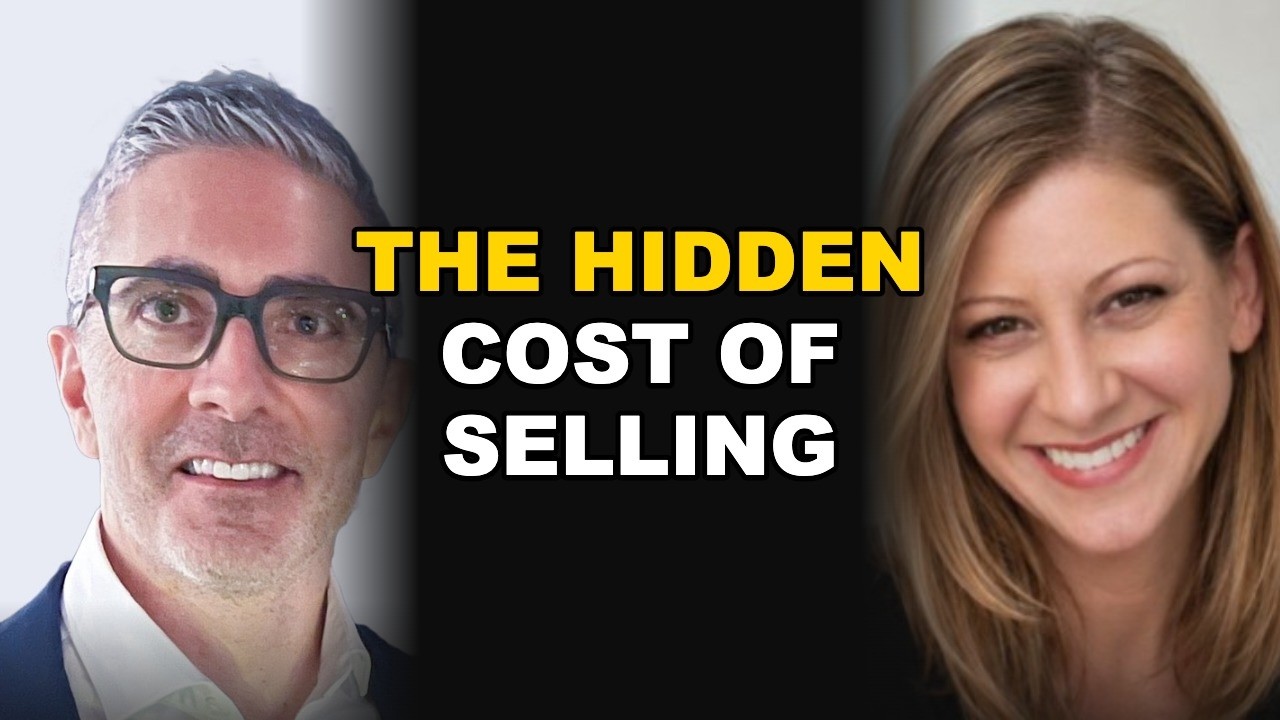
Robyn Hass, founder of Mainstreet MEP®, co-founded commercial mechanical contractor Core Mechanical with her husband, grew it onto the Inc. 5000, and helped lead its eight-figure sale to a private equity backed platform. She shares what that sale taught her about earnouts and the emotional cost of letting go, and why she now helps independent HVAC, electrical, and plumbing owners build legacy businesses. She also opens up about losing her former husband, the grief that followed, and the faith that grew out of it.
✨ Key Insights You'll Learn:
Walking away from a first company after the wrong investor
A contest-won van and $20,000 as a second start
Multi-location facility managers as a growth engine
Branding that makes a young company look bigger
The three-legged stool of operations, finance, and sales
Earnouts, rollover equity, and the first check
The emotional side of selling a company
Daily cadence on invoicing and collections
Owner approval of every new vendor and customer
Servant leadership over treating people as commodities
🌟 Robyn's Key Influences:
Her husband: co-founder who helped her grow in faith
Her parents: high expectations that pointed her to the C-suite
A grief counselor: gave a name to mourning as the ex
Friends who showed up: acts of service that began her faith walk
A relative at the memorial: the words "it's not your fault"
👉 Don't miss this conversation about what a sale really costs, what Main Street gives a community, and putting family first.
Listen to the full episode here
Transcript
Founding Core Mechanical
Anthony Codispoti (00:00)
Welcome to another edition of the Inspired Stories Podcast, where leaders share their experiences so we can learn from their successes and be inspired by how they've overcome adversity. As you listen today, let one idea shape what you do next. My name is Anthony Codispoti, and today's guest earned two master's degrees and a master's certificate in organizational change and development before she ever stepped into the trades, building her career in management consulting.
By 2009, she was running a regional office with more than 150 employees across nine government contracts. In 2012, she co-founded a commercial mechanical contracting company that made the Inc. 5000 list in 2017 and 2018. And then in 2018, she co-led its sale to a private equity-backed platform and stayed on after the transaction to help it grow.
Robyn Haas is the founder of Main Street MEP, which helps independently owned HVAC, electrical, and plumbing companies build solid legacy businesses through advisory services, monthly reporting, weekly KPI dashboards, executive coaching, and exit planning. She hosts the weekly Trade Finance and 10 podcast and is writing a book called From Home Equity to Private Equity. But before we get into all that good stuff,
Today's episode is brought to you by my company, AddBack Benefits Agency. And if you help business owners get a handle on their numbers, this is a lever most of your clients don't know they have. See, here's the problem: your business owner clients are overspending on health insurance every year. That's real money leaking out of the business every month. But now there's a program from Bain Capital Insurance you can put in front of them to change that. It doesn't replace their group health plan, it fills in the first dollar gaps and can even cover part-timers.
Employees get unlimited access to doctors, therapists, and prescriptions without co-pays and without deductibles. And here's why it matters for your practice. This program actually increases your client's net profits. See, we recently helped a client add, that's add $900 per employee per year. Results vary, but that's exactly the kind of number you're already in business to find for them. Cash they can put back into the business
Robyn Hass (02:20)
Okay.
Anthony Codispoti (02:21)
and value they can see on the bottom line.
You become the advisor who found the money and the one they tell their friends about. Learn more at AddBackBenefits.com. All right, back to our guest today, the founder and fractional CFO of Main Street MEP, Robyn Haas. Thanks for making the time to share your story today.
Robyn Hass (02:38)
Hey, thanks so much for having me on.
Anthony Codispoti (02:41)
So in two thousand twelve, you're in the president's seat at core mechanical, right? This commercial mechanical contracting business in the Houston area. You f you co-founded this business, right?
Robyn Hass (02:52)
Yes. We my husband and I had basically become burned out in our our careers. I had been a management consultant for several years at some of the biggest companies and was traveling all the time and he was managing the MEP projects within larger construction projects, so like airports and prisons and hospitals and his next job was gonna be probably in Australia and we didn't want to move to Australia and we were both kind of burned out and he said, Hey.
I have this old HVAD contracting license from like when I was in my twenties, like, let's give it a shot. And I said, okay, well, you know, if you're gonna be in the field running it, somebody has to run the office. we were thinking we were gonna go after government contracts. So I became president, he was in charge of operations, we had a salesperson that was kind of a third leg of the stool. And we really, we really grew it fast. But prior to that, we actually had another.
mechanical company. it lasted about two years. We grew super fast. We brought the wrong investor in and we ended up walking away. So we walked in in 2012 to Core Mechanical with a lot of experience, a lot of past mistakes that we tried to overcome. and I can get into that later if you want. But yeah, we just really we took our management background and our project management background and it was really helpful to to grow that company pretty quickly.
Anthony Codispoti (04:12)
So in 2012 core mechanical, this wasn't your first go round. You had done it a couple of years prior. Bad investor situation, so bad that rather than try to work it out, you guys walked away from it. And so you're starting core mechanical from scratch, but you've got a lot of those lessons and learnings in place. What what were some of those?
Robyn Hass (04:32)
I think the biggest one was the electronic field management software system. that is so critical to be able to run things where you're not doing things halfway on paper and halfway on spreadsheets. And so we really found a good software system that we used again from the first company. I think the second thing was just controlling growth. You know, we were so excited to grow. We had a niche market. We were really into facilities more.
restaurants, which was a niche. And so we did the HVAC, the refrigeration and the hot side. And honestly, we just grew too fast and we were not controlling our growth. We weren't really watching our collections. We weren't watching our invoicing. We didn't have a good cadence. And so by the time we got to the point where we needed an investor, it was really, you know, we kind of had to pick the first person that came through the door that, you know, we thought met our qualifications and
there were just a lot of integrity issues and it was it was really hard because honestly, the home equity that we had from selling our home, everything we had was invested in that company. So it was it was really hard to walk away and then walk away with a non-disclosure agreement and a non-compete. So we ended up going into commercial construction for mechanical construction projects, and the margin is so super low. so it was a really humbling experience too, coming from the corporate world to
Building a thriving company and then having to walk away from it.
Walking Away & Having Faith
Anthony Codispoti (05:54)
Wow. How did you get through that? Like this is the kind of thing where like when somebody tells a story about it and you're looking back, they're like, yeah, it must have been terrible. But like as you're going through it, it feels like your guts are getting rubbed up.
Robyn Hass (06:08)
yeah. May even wanted like his personal cell phone, you know, and that was the number all of his family had. And so, you know, the truck got taken away. Like it was just a really bitter divorce. You can say that. you know, a lot of employees that we thought were loyal to us turned on us. And it just got to the point where we were like, you know, this isn't worth salvaging. and and so I I think the biggest thing is just sticking together and for us, it was having faith that.
God would do something better if we just walked the high road. And so we, you know, we really tried our best just to to do the right thing. And eventually it flushed itself out and not in a way that I would have ever expected. the the investor, I guess, was going through some personal problems and he actually committed suicide about a year later, I think it was. And so the company ended up dissolving and
Our we were released from our non-competes, obviously. And that's really where core took off. we had been barely scraping by doing these construction projects because we were using, you know, good price labor. We were using people that had a legitimate right to work in the United States. We were doing the insurance, we were doing all the things, and we just had such a low margin. Like we knew long term we weren't gonna be able to to continue. And then honestly, the funniest thing happened, I just had this whim. Nissan had a competition.
And we were just starting back into the service trade and like we were so tapped for money. And Nissan had a competition. It was called the Nissan 360. I think was part of that. And they were giving away decked out service fans. And so you basically was called Design Your Ride. And I think there's still a video that we made with our kids and everything in it. It was a horrible video. I'm not a video producer. but we were one of the five that were picked. And so they gave us a
A van, a Nissan cargo van and a small van and I think it was like twenty thousand dollars. And honestly, like that saved us. It was the coolest thing. So we had a brand new van. We had 20 grand in the bank and I don't know. It was just it was really an awesome time. And then we started we brought somebody in to do sales and they were great at it and the company just really started growing. So we started off in a
Little tiny office that was probably 200 square feet plus the the back office warehouse space. It was the cheapest, best thing we could find. it was kind of in the woodlands area. The neighbor next door was smoking weed all the time. So I mean, it was just like it would carry through to our office. Our guys got to the point, these are tough guys, they're like, we can't go in there anymore. so eventually we had to move out.
Anthony Codispoti (08:40)
Getting a contact high, trying
to get their work done, and it's it's a little interrupting. So here's a part I I want to zero in on because I understand with the the first company that you guys walked away from that you were growing too fast, right? But there was a lot of growth there. And then at some point, with Core Mechanical, you guys have been scraping along, but then at some point the growth really starts to to take off. So I want to better understand what it
was that you guys were doing so well to fuel that growth. Because a lot of folks listening and they're like, Man, I wish I had that problem o of too much growth. what are the levers you guys are pulling from sales, marketing, business development?
What Fueled the Growth
Robyn Hass (09:22)
we really started off with a strong infrastructure. And I think that was super important. So we weren't spending time chasing things down. Like we had an integrated accounting system within our field management software. We could see our numbers. we were really being selective about the clients we went after. So we weren't going after the onesie, twosie clients. We were really going after the facility managers, the regional facility managers, so that we would get, you know, four or five, six, seven stores at a time.
And then we would go in and really train our people on, okay, this is what one store looks like, this is what most of them are gonna look like, these are the equipment that you need to work on, and then trying to work within our computer system to make sure that we always sent the right tech to the right job, which didn't always happen. but then the other part of it was we became their partner. You know, we weren't just trying to nickel and dime them all the time. If we messed up, we admitted it.
We, we cut the invoices down, we did what we had to do because we really knew that these facility managers are working hard to, you know, preserve their bottom line and look at their capital investments and things like that. And so we really tried to become their partner where we could help them not only, you know, do really good service that they could depend on, but also look forward to the future and say, Hey, you know, you're probably gonna have a CapEx expense on this huge HVAC system, you know, like we've plugged it as much as we can.
So really helping to be their partner. I think that was the biggest thing is just really operating with integrity and trying to give the best service possible. And the truth is, we, honestly went through a lot of technicians. we probably should have trained people a little bit more, but we were just growing so fast we didn't have time for it. So if they had, if they had skill issues and they were misrepresenting themselves, like we had a really high turnover at the time, which
Anthony Codispoti (11:02)
Mm-hmm.
Robyn Hass (11:02)
looking back, I probably would have tried to spend more time training people. We just
We didn't have time. And I think that's something that a lot of our employees didn't understand is we were literally working 247, in this job all the time. and every single dime that we had. I think that's the other part of the growth is every single penny and dime that we had, like it went back into the company. And a lot of people start seeing money and they're like, let me take it out. But you can't do that.
Anthony Codispoti (11:27)
Right. When you're growing so fast, your payables and your receivables aren't really lining up in a way that's favorable for you. And so, and so you're talking about a lot of the operational things that you guys did to support that growth. And then, on the front side from the sales and business development side, sounds like you guys, rather than focusing on one or two locations, it's the facility managers who when you get that relationship, you're gonna bring a whole bunch of business in at once.
What were you guys doing to forge those relationships? Because you're not the only one that's calling on them, but you're the one that they listened to, the one that they trusted, the one that they moved forward.
Robyn Hass (12:06)
I think a lot of times it was just give us a chance. Give us a chance and see if you like what we're doing. but the other times, you know, I mean, we lost customers all the time, but a lot of times they would come back to us because somebody would go in and say, Hey, we can do it for this much or this much an hour, but they weren't getting the kind of service. I mean, we like even if my husband at the time, I mean, shoot, we could have sixty, seventy employees and he would go out and troubleshoot a piece of equipment if nobody else could figure it out. I mean, that
he wasn't above doing that. And and same with some of our senior people. Like we we really did our best to try to get all the jobs done well. And so I think making the introduction, but then, you know, it's not just this cold call where you're like, hey man, I I want to sell you this. Like it's really they see you at the conferences, they see that you care, they see that you're a part of it. I mean, we're a part of like a specific restaurant facility management group. so just a lot of different things like that. But I I think also, you know,
One of the biggest things that we did was we looked a lot bigger than we were up front. So we did really good branding. We spent the money on the new vans. we leased them, we did some capitalized leases. and so we really everything we did, including uniforms, all of it, like we really tried to be professional and sharp. So we tried to look like the big company even when we weren't. And I think that was a huge, a huge part of it as well. Right.
Anthony Codispoti (13:26)
and I hear you
say that if you had it to do over again, you really would have liked to have invested more time and energy into the training, but you you couldn't. You were just drinking from a fire hose. You guys are growing so quickly. Some people listening might say, Well, why not just slow down that growth?
Robyn Hass (13:43)
There's a point where you can't. There's a point where they want you, you have a customer that has 30 locations in one city and they want you to move into the city next door and you can't tell them no. You know, you have to find a way to make that happen. I mean, within reason. and the funny thing is, we actually had a training facility. We had probably one of the biggest training facilities I've ever seen. I think it sat 30 people. We had a full commercial kitchen in the back of it, and we just couldn't even find time to do it. I mean, we even brought
we were one of Interplay Learning's test facilities where they did the virtual training. And so we actually had headsets and stuff set up in the corners and our guys couldn't even find time to do that. you know, so it's kind of like once you're sucked into the growth, it's really hard to say no to a client that you've held on to for four or five years when they're stuck in a situation.
Anthony Codispoti (14:28)
Okay. yeah, that's one of the things about growth is you know, it's one of those things that every company really wants. And then sometimes when you get it, there are these circumstances where it just feels like it is a ball rolling down the hill that you cannot rein in. And part
Robyn Hass (14:45)
Right.
Anthony Codispoti (14:46)
of you doesn't even want to, right? Because you know how hard it is to build a business when you're starting to get that traction, like you don't want to do anything to get in the way of it.
Robyn Hass (14:56)
And then you have a sales guy that's out there like, hey, I'm doing my job. You guys can't keep up. What's wrong with you? So then you kind of have a little bit of infighting between operations and sales and finance and, you know, it's just, it's a constant battle. I think it's really a good solid business is a three-legged stool. You've got operations in the field, you've got finance and infrastructure and HR in the background. And then you've got a good sales and marketing team. And if you don't have those three legs and they're not pretty equal and working together, then you're gonna have problems.
Selling to Private Equity
Anthony Codispoti (15:26)
No. So the company grows really well. landed on Inc. five thousand two years in a row. And in two thousand eighteen, you co-led the sale of the company to a private equity backed platform. And you stayed on as CFO through that transition. Walk me through how that deal came together.
Robyn Hass (15:47)
It was actually our sales guy. I think he had been at a conference or something and someone approached him and said, Hey, have you guys thought about selling? And he brought it back to us and we were like, There's no way we're not selling. We've just gotten to a point where we are really starting to feel solid. I think we were in three different buildings by then. We had 20, I think around 22,000 square feet. We had just opened a stainless steel fabrication facility. We were
doing installations of commercial kitchen equipment in schools and restaurants. we were really starting to grow and we had built a really solid infrastructure. And we got to the point where we were like, okay, what's gonna fuel the growth? Because we really need we need either a really solid bank and a line of credit that's going to fuel us, or we need a partner. And honestly, you know, for us it was a joke when we met with them. We were like, Yeah, let's go have.
let them buy us lunch or dinner or something like that. We'll hear what they're blabbing about. And they sold us a really good story about partnership and how they would help us grow. And so, you know, that really that really fueled us, really taking it seriously and and thinking about, okay, is this something that we want? Because they offered us the opportunity to stay on as owner operators and and help with that growth. and
I'll tell you it was a very, very long process, due diligence in the sum. We did due diligence in the summer. We sold in August. And anybody that knows HVAC in the trades and refrigeration knows that the summer is the hardest months ever. And then we also made the mistake of we had already started probably about a year before implementing a new ERP because
The field management software and QuickBooks just could not keep up with the amount of volume of invoices that we were having. And we were just seeing really bad lag times. Our field techs were upset about it. It it was just really shutting everything down and slowing everything down. And so we started investing in a pretty big ERP system that pulled it all together into one. And the launch was scheduled for the end of the summer. And I kind of got pushed back a little bit until September. But yeah, so we were going through due diligence.
The sale of the company and the launch of an ERP with employees that were starting to sniff out we were selling. So it
Anthony Codispoti (17:56)
Mm-hmm.
Robyn Hass (17:56)
was just honestly, it was a really, really hard time. Um
Anthony Codispoti (18:00)
And and you're doing
it during the busiest time of the year for you guys. How were the employees hearing about it? Just the the rumor mill, somebody's like, why would they be asking for these financial reports?
Robyn Hass (18:10)
that and then they would come and visit and tour and they're like who are the people touring and everybody has their suspicions and you know it was really difficult for us because we wanted to tell everybody hey this is what we're thinking about this is going to be a good thing for everyone but you know we had we had non-disclosure agreements signed and so it was really tough for us and I think we made the mistake of you know we had somebody that we knew that was a business person but nobody that was really had brokered a deal before.
And I think that was one of the mistakes that we made too. I think we we should have really hired a broker to broker that deal instead of somebody that knew business well. and and probably some a bigger law firm too. I would say. I would say that was probably the biggest lessons learned within all of that is, you know, I think we didn't know enough going into it. And it was a good deal.
there were a lot of things that I think I would have probably negotiated a little bit differently had I known. We were just very
Deal Lessons & Earnouts
Anthony Codispoti (19:03)
Can you use some examples?
Robyn Hass (19:05)
we had a we had a I mean have to be careful, but we had a a a burnout and it was a substantial part of the deal. And we thought, you know, based on where we're going and what our trends are, like we can definitely make this happen. But you don't take into account now you're being rolled up into a platform and that platform does things differently. The insurance is differently and costs more.
or sometimes it does. And, the f the way they manage the vehicles and who they're getting them from. And so, like I grew up poor. I've always been a penny puncher. So I think that was something that was really valuable to our company as I really negotiated down a lot of things. I mean, the year before we sold, I had I think I got us 20% off of our, you know, vision and and dental and all, you know, kind of the ancillary services because I went in and I looked and I said, hey.
you to the broker, we had an independent broker. I said, look, this is our utilization. there's no reason to be raising our rates. So we kept our same insurance rates, which is almost unheard of. And then we got a discount on some of the other ones. And so, we'd done things like that and having direct relationships with with RAM and through Ally, we were directly financing things. We had, capitalized leases. So we were really looking at penny pinching every way we could. And so we didn't have a lot of fluff in our business. And I
think that, you know, we weren't accounting for the way that a different company would do business. And so, you know, it just got to the point where we we knew we weren't gonna make our earnout. which was kind of sad, but it also taught me a lot of lessons, you know.
Anthony Codispoti (20:34)
And from the conversations I've had and my own experiences, those earnouts almost never get fully paid out. Would you agree?
Robyn Hass (20:40)
Yeah.
That's what I've heard too. I know there are some rare success stories, but I think that, you know, you cannot lock in what the company's gonna do because they don't even know. I mean, in all fairness, you know, in six months the economy could change and they could decide, hey, we're gonna go a completely different direction. So you're really relying on their infrastructure because you're gonna roll up a lot of people. I mean, they're gonna they're gonna get rid of the people that are, you know, duplic, you know, are a duplicate of what they already have in their corporate office. So
I think there's just so many unknowns, but yeah, I haven't heard many stories of anybody ever getting the earnout. In fact, I've had attorneys call me and ask me, so what's your thought on earnout? My client wants to go do this. And I'm like, That's up to them. But you know, you better know exactly what the bounds are that you have control over.
Anthony Codispoti (21:29)
Well, and I think most deals today, it's pretty common for there to be some level of earnout, right? That that gives the the buyer some sense of security. But I think the goal, and tell me, your thoughts on this, Robyn, is for that earnout to be as limited as possible, most of it to be in the form of cash or a guaranteed payout, regardless of the performance of the company.
Robyn Hass (21:52)
Yeah, I would say that the only thing that you can guarantee is your first payout. and a lot of them are gonna ask you for rollover because they want you to roll over some skin in the game. but like for us, it's it's been eight years and our rollover still hasn't materialized.
I don't know. But yeah, whatever you don't get in that first check, I personally wouldn't plan on.
Why She Left the C-Suite
Anthony Codispoti (22:13)
So you stayed on after the sale for about sixteen months and then at the end of twenty nineteen you left. Why?
Robyn Hass (22:20)
Mm-hmm.
Anthony Codispoti (22:21)
Why was it the right time to go?
Robyn Hass (22:24)
so this is a really personal story. I honestly have like I grew up poor, but my parents always had very high expectations, you know, of their daughters. You know, my sister has a PhD in biology. She works, you know, for some amazing people. And so I'd always been taught, you know, like grow, grow, grow, get into the C suite, become an executive. Like that's what's kind of expected of you. And in twenty nineteen, I
on the fall, I guess it was the fall of twenty nineteen, we were doing budgets for the company. And we ended up having to, go to Chicago and present our budgets for each of the companies on the platform. And something was just really pressing me inside. And I couldn't figure it out because I've always worked all my life. Like being a mom came second, unfortunately. You know, my kids did daycare, they did public school, they, you know, even when we were going through our due diligence, my husband ended up picking them up half the time because
I just could not get out of the office. sometimes I was working 14, 16 hour days, literally through due diligence. And and something just really pressed on my heart and it was like, You need to come home. And I'm like, What do you mean, God? I need to come home because I have worked all my life and I've built this career and this is where I'm going. And it just kept pressing and pressing and pressing. And so finally when I presented my budget in Chicago, they were like, Hey, you're not on this budget. And I'm like, Yeah, I know.
I have this really great person here that's gonna take my place. And so my last day was December thirty first of twenty nineteen. I came home. I was like, I don't even know what people do at home. Like we found so much laundry that hadn't been done in ages. Like literally the the washing and drying machines were like literally like my husband named them the the circle closet because, you know, that's where everything stayed. Like nothing was in order.
We weren't, we were eating out all the time. life was just chaos. And so I got some time to really see that, but it also gave me time to prepare for something that I didn't even know was coming, which was COVID three months later.
Anthony Codispoti (24:24)
Mm-hmm.
Robyn Hass (24:24)
And so I really had an adjustment period of about three months to get our home in order and realize, like, wow, God really gave me some space and time to prepare for this. Cause I'll tell you.
I would have not been the right person to lead, especially the HR side, because I was the CHRO as well through COVID. There was a lot of things I disagreed with, that were going on. And so it was really a blessing. And then we ended up, we ended up realizing there were some not so great things going on in our our youngest school. And so we ended up putting our high schooler in an online program, and then we ended up
Some friends brought us into homeschooling, which I never thought in a million years I would be a crunchy homeschool mom, but here we are. it's been gosh, twenty twenty. my gosh, it's been like six years. Yeah, we've been we've been homeschooling since then. So he's a sa he's a freshman this year.
Anthony Codispoti (25:16)
So I want to come back to the homeschooling in a second, but I want to go back to this pressing on your heart that you were describing, the thing that was pushing you away from the work or maybe drawing you back home is maybe a better phrase. and you sort of mimed a a conversation with God. I'm curious, like, how did this pressing on your heart feel? Did it, you know, were you hearing a a voice? Was it just something in your gut? I I'm just sort of
Curious to hear what that experience was like.
Robyn Hass (25:47)
I don't know. I just felt like something in the back of my mind just set kept saying, Coming, come home. You need to go home. You need to stop this and go home. And honestly, like I had been at work, like I said, even after the transaction, I I don't know that I was, I don't know that I was even doing all the stuff that I needed to do. I think I was actually creating more space. Like it had become an addictive part of my personality to just be in the office so much. And my family was really, truly suffering.
So I knew what was behind it, but it wasn't really me. I mean, I can I can honestly say, and I'm not someone that grew up in the faith. it didn't happen until probably a few years before we started core, probably even right around the time we started core. and so it was really new to me because I just I kept arguing. I was like, no, I'm not coming home. I've spent my life building this career. I'm not coming home. And it just it was a it was a pressing thing that I could almost hear in my head, like, you need to come home. When are you gonna do this?
so I I don't know how to explain it. I can't believe I would even talk about it in public. That's how far my walk has come. But but yeah, it was definitely pressing. And then, you know, looking back hindsight to say, wow, you know, three months before COVID, like I I was able to gracefully check out, leave the company, the CFO role in a in really great hands. She's still there. She's amazing.
And so, instead of deciding in the middle of COVID, I hate this, I don't want to do this anymore.
Anthony Codispoti (27:16)
The timing ended up working out really well for everything that unfolded.
Robyn Hass (27:19)
Yeah.
Anthony Codispoti (27:22)
so you leave the company, you start homeschooling because there are things going on at the school that, you know, aren't great. And so you guys bring this under your roof. how did you do it? Like were you is there like a a program you signed up for? Is that did you just sort of wing it and figure it out on your own?
Robyn Hass (27:42)
so one of our friends was in a co-op group that it's a really popular national one. I'm I'm not gonna say the name, but it was it was great. we got pulled in, everybody was super friendly. The only caveat was they made you teach. So if you had a kid in there, you pretty much were required to teach and they paid you like a paltry amount. Like it was so funny when I got my first paycheck. I was like, I don't think I made this since I was working at the grocery store when I was like 16 years old.
And they're like, yeah, so you're gonna teach these, you know, seventh graders or something like that, or fifth graders. I can't even remember what it was. And I was like, like I was just shell-shocked. I told my husband, I'm like, this is insane. Like we've already paid the money and signed up for this program. I do not want to teach these children. Like this is not my thing. And I was so stretched to do it. But honestly, it was it was fun. I mean, once you kind of got into it and you got to know the kids, it was just a really great environment.
we ended up pulling out of that program though because it was a little too rigid for us. And he a lot of it was like based on, especially the English was based on like Latin and things like that, that he just hadn't had the history that the other kids had had. And so we ended up pulling out and finding another co-op. And then we moved to a ranch and found another co-op. And so
right now we're just in a mix of a co op and then, for electives and then he's doing his own thing online. He's actually taking some some college classes. There's a really awesome program that lets you take classes online for free and get club club hours towards college.
Anthony Codispoti (29:16)
Wow. and I don't yeah, I'm gonna jump ahead a little bit. because now you're running Main Street MEP and we're gonna get to what you do and why you started it, but you're still homeschooling. and so is this really relying on your child to sort of grab their own reins and like steer their education, or do you have the ability to somehow
have regular oversight or, you're there every day making sure that they're getting logged in and sitting down at the computer, not getting distracted with video games or other things.
Robyn Hass (29:49)
Yeah, so I pretty much work from home. I have an office down the road. it's a shared office space that I use from time to time if I need a conference room or something. But most of the time I'm here and I would love to tell you that my child is awesome and they pick their own school and they're, they're gonna graduate in two years. But he's a 15 year old boy. I mean we struggle. We struggle. And, you know, he's he's super smart.
Anthony Codispoti (30:10)
This is real life.
Robyn Hass (30:11)
So
I can tell h he's like why the typical question, why do I have to learn this?
Anthony Codispoti (30:16)
Mm-hmm. Yeah. Let me know when you come up with a good answer that they're receptive to, by the way.
Robyn Hass (30:20)
I yeah, that's why I stopped talking. I have no answer.
Starting Mainstreet MEP
Anthony Codispoti (30:25)
Okay. So talk to me about the decision to start Main Street MEP. Why do this?
Robyn Hass (30:30)
So we actually started off as HVAC office solutions. So I felt like I needed to wait until my non-compete was over. It was a five year non-compete. And then I started doing I'd done some kind of consulting work between then just different kinds of companies, not necessarily in the the MEP space, but I felt like there was just really a need for back office support for, you know, small trades firms. And so we started doing bookkeeping and some recruiting. And the recruiting was really successful, but it was
my gosh, it was just a lot of time and it it's not guaranteed. You can you can pour yourself into finding the right candidate and then they can take three weeks to interview that person and they're gone. They've been hired by somebody else. So i I didn't like the fact that it wasn't a guaranteed return on investment. and the bookkeeping, I'll be honest, we did it for a while, hired some bookkeepers, and it was just doing bookkeeping in the small business space is really tough, especially in the trade space.
You really have to know somebody that understands a lot of the concepts that they're billing for. And so just between making sure like everybody was always coming to me for the question. So it wasn't, I didn't feel like it was a scalable operation. And there's some really great back office folks that do it and and they have funding behind them. So they have, you know, the ability to hire and have really great infrastructure and systems. But, you know, it just got to the point where we realized like,
This isn't the kind of niche that I really want to be involved in. And there wasn't a lot of margin in it. it was a lot of work, a lot of constant calls and trying to figure stuff out and help people understand their books because we were really going after the super small businesses. and so I guess it was about probably about a year and a half ago I decided like I really want to go back into the more strategic work. That's what I love. And so that's we did a DBA for Main Street MEP and then registered the trademark and
Started off doing a lot of value builder stuff, thinking I was gonna help them with exit planning, and then realized like that's just really not where my heart is. I want to really focus on Main Street and building these businesses and building a legacy business for these folks. And so got more into the fractional CFO services and then turned more towards advisory services to where it's really a compilation of operations, HR, finance.
organizational change and then executive coaching. Because really I think the thing that I missed out most, you know, is we could hire people, we could hire a CPA and we could hire a finance person and we could hire an HR person, you know, to give us feedback. But none of those people ever talked with each other. And so everything was really siloed. And the answers that we got maybe didn't make sense for our company. Or maybe they didn't really know our company or our employees or our heart. So that was something that
we've evolved over the the last couple of years to where it's a walk beside you advisory. So they get a a weekly KPI, which is like a four-page report that we had developers help us create. So it's some really good business intelligence, but then we just walk through them every week. And, you know, we come up with the top three things that we're gonna do for the next week. And and sometimes that that top thing is go take your wife out on a date because your marriage is suffering.
so it's a really holistic approach to it. And we don't take on a lot of clients because I'll be honest, my first priority is my family. And I don't, you know, we we got to the point when we launched the command center, which is the four page KPI dashboard, where we thought, hey, you know, we're gonna launch this out and we're going to make this available to everybody at a at a reasonable price because everybody really needs to see these metrics and kind of a top focus area and you know, receivables and payables and
sales and cash flow and and then we started doing the work and it was like, I don't want to become an IT firm. So we've kind of pulled that back too.
Ideal Clients & the Weekly KPI
Anthony Codispoti (34:22)
So MEP, mechanical, electrical plumbing, this is HVAC electric and plumbing.
Robyn Hass (34:28)
Right.
Anthony Codispoti (34:29)
and so those are the industries that you serve. What's how else would you describe an ideal client? Maybe in terms of revenue size or headcount or geography? Like who should call Main Street MEP? What's a good fit for you?
Robyn Hass (34:44)
Be honest with you, I think I think a lot of people are being approached and poached right now because they are the service trades. You know, we're moving into the age of AI and people are looking for, you know, what's gonna be stable beyond that, what's gonna always, you know, bring revenue beyond that. And I think that's why you're seeing a lot of private equity, you know, buy out the trades firms. But I also see like there is a lot of, I want to say like consultants and
groups that are going after these folks and and really pushing them into kind of a one size fits all box. And so we really wanted to to move beyond that and offer a little bit more. But you know, we know that not everybody can afford that. So we started developing courses. So we believe there's five stages. The solo entrepreneur that's just getting started. You're adding people, you're adding processes, you're adding leaders and then you're
building a legacy company that can can work without you. And so for those first couple of stages, we really feel like they don't need a private consultant. I mean, we're happy to walk through it with them if they want to spend the money and we're not that expensive, but you know, really we're trying to make courses so they can kind of DIY it themselves and really understand, you know, in the first stage, like what am I getting into? What do I really need for a solid scalable infrastructure? And then on the second stage, you know, with their people, like what are some HR things I need to consider?
What are some processes? What are some software things that I need to look at? And then, you know, starting kind of where they're building systems to help them with that too. So we really we don't have an ideal number. I mean, we have clients that are less than a million dollars. We have clients that are well more than that. you know, I would say I probably we stay under around 25 million because at that point you probably should have some pretty solid systems.
Then we go in and and I'll do triage consulting. I'll do one-off things. they're having problems with some, you know, facet of the company. And I'll go in and try to look at it from, you know, finance and HR and operations and organizational change and systems and really kind of try to figure out what's going on. And I'm I've done that with a nonprofit recently and just really enjoyed it. So that's probably where my my heart is is really walking through with folks week by week. But then
And we have some quarterly services and then doing the specialized
Anthony Codispoti (37:05)
And I know that you guys send out this command center dashboard every Friday and it's got
Robyn Hass (37:11)
Mm-hmm.
Anthony Codispoti (37:11)
their numbers on it before, you know, the month closes so they can kind of keep track of what's going on. If a client were to, you know, their short attention spans, their heads going in a thousand directions, if they're only gonna look at one number every Friday, what should they be paying attention to?
Robyn Hass (37:31)
would say if they know that their margins are good and they know their collections are good, it would definitely be that sales number, against what their goal is. So we take what their their number of technicians are that are out in the field and we take their sales goal and we roll that together. And so we really look at every week like, hey, you know, you you should be at least 50% of your your goal here. And you guys are only at like 10% what happened? we had a couple guys out or we went on vacation or whatever it was and really just
hold them accountable every week. So I I think for, if you know that your numbers are solid behind it, I would say the sales number. but a lot of people say, it's my margin. You know, I always have to look at my margin. And that's absolutely true. But if you know that you're billing properly, you know, that should kind of be on autopilot is is my belief. And the collections too. I mean, think the biggest thing for anybody, it's not even the numbers, it's cadence. You know, that's the number one thing I stress is you've got to do the same thing every single day. You can't wait a week.
decide to send out those invoices. You can't wait two or three weeks until people are, you know, past due. You really have to follow up every single day, you know, because the the gap, the cash flow gap is, is very real, especially as you grow. And you have to do everything you can to minimize that cash gap.
Anthony Codispoti (38:46)
Robyn, what's another key number or metric that most people aren't paying attention to? But if they did, they'd be able to glean a key insight from
Robyn Hass (38:58)
aside from the margins and the collections, I mean, I I really think those are the the biggest two, you know, is just to really look at your and we're actually about to start a I think it's a 10 part series. I I took about a month off for the summer, but we're we're about to launch a 10 part series on really digging in and finding out where your margin problem is, where your cash flow problem is. Because a lot of people just say, if you don't have cash in the bank, well, it's obviously you're not billing enough, but that's not really true.
so we really need to look at is your gross margin good? the the the we shoot for about a fifty percent or more gross margin. And then on your net margin, you know, after you take out all the overhead, are you at least at fifteen percent? You know, a lot of these trades can be doing a lot better. I mean, have one right now that's in their twenties. They're doing awesome.
and then dig in. Okay, well, if we're not at the 50% or we're not at the 15%, what's what's driving that? You know, do you have too much overhead? Did you buy a building that you shouldn't have bought yet? Cause you're too small to, you know, have enough over, you know, enough work to support it. And then the other side of it is, you know, the collection side. Are you billing fast enough? Are you do all of your clients really even need a net 30? You know, one of the best programs we had, I think, was a net three.
And so basically, if you do you weren't a big company and you didn't have credit with us, you were on a net three. We held a credit card and we would send out the invoice. And if you didn't dispute it within 72 hours, we built that credit card. I mean, we were commercial, residential, they should be billing on the spot.
Anthony Codispoti (40:28)
Mm.
Robyn Hass (40:29)
So I think I think the number is the the cash flow, the the cash conversion cycle. It's really like what's the difference between your
Days outstanding for your payables and your receivables. And we actually have a modified calculator that's free. It takes out inventory for the cash conversion cycle. And so they can go on our website and put their numbers in and see kind of what that gap is for them. But that gap is what you have to cover. And every day that your client doesn't pay, I mean, you're basically financing it for free.
Anthony Codispoti (40:59)
But you mentioned a a 10 part series that you're working on, taking a deeper look into margins. Is this something that people will find through your podcast? Is this gonna be on your website or on our YouTube channel? Where will folks find this?
Robyn Hass (41:16)
so we do a the Trade Finance and 10 podcast is on Spotify and Apple or iTunes. And so every Monday, with the exception of the last month, I kind of took off. it's about 10 to 15 minutes. It's just me. It's I try to make it as not boring as possible. But what I found is a lot of the trades owners, you know, a lot of these folks, sorry, like one day they got really ticked off, gave their boss the finger and said, I'm gonna go do my own thing. And
Like a lot of the finance terms, they were never trained. They never went to school for it. And a lot of stuff is just honestly people use, I think, as jargon to sell themselves, you know, as consultants. But it's basically taking them through and the and the podcast whole series is really set up to build foundations. Like the first part of it, you know, just I'd say go to s go to the first episode and it talks about what are the five reports that you really need to know.
And then we go through each report. what do you need to look at in your profit and loss statement? What do you need to look at in your balance sheet, your your statement of cash flows, your AP, your AR aging? And so really teaching them the basics because the truth is there are some things that you can always hire out, but there are some things that you really need to know because you need to know that if something doesn't sniff right in your books, you need to be able to know how to dig in. I mean, there's so many opportunities for fraud for people to create.
silly things like even just create a false vendor and pay that vendor. And before you know it, there's hundreds of thousands of dollars. I see this in the paper all the time of, vendors being paid that were fake vendors that employees were stealing from them. So you have to be able to dig, I really truly believe to dig into those numbers yourself when something just doesn't sniff right. And a lot of business owners don't do that. They rely on their CPA once a year or they're handing them a box of receipts and
they may be miscategorizing stuff so not getting all the deductions that they need. They really have to take the time or have a spouse or somebody that they trust completely to take the time to get to know the basics of of business.
Anthony Codispoti (43:16)
So you talk about if something doesn't sniff right when you're looking at the books, but a lot of this lot of times this stuff just gets missed. Are there controls that can be put in place to prevent this? Are there specific things? Somebody listening now, like, I don't think I've got a problem, but maybe I do. Robyn, what should I go look for?
Robyn Hass (43:37)
Well, so the vendor one. one of the big things we did, and everybody thought it was absolutely ridiculous, but no new customer and no new vendor got approved without one of the owners or senior management's permission. And so we went in and we would look and vet. we don't want somebody just giving out net thirty because they want this new job to be sold. we really went through and we vetted.
All of the customers and all the vendors because we didn't want that opportunity to happen where somebody could just go in and change things. So we locked the system down to where those couldn't be added. you know, we had a lot of different process controls over the years. We had different ways that we would make sure the interviews, you know, were a little bit deeper and and really focused on core values. I mean, there's just so many things that are intrinsic to a business that you just have to kind of go through each one. But I would say,
I think we over systemized our our operations at a time. I mean, there was a time when we were just so administratively heavy that it it was ridiculous. You know, somebody would say, my gosh, my job's hard. I need another helper. We'd be like, Okay, we're making all kinds of money. Go hire another helper. And before he knew it, like our office was maxed and it was just, it was just too many people that weren't doing they were doing stuff all day, but they weren't doing the important stuff all day.
And so that's one of the things I tell my clients is I want you to go and create a process for this. And I want you to go and put, if it's a whiteboard or stickies on a whiteboard or whatever, you know, go and and lean this process down. Like what is absolutely necessary? Because I think we start creating handbooks and processes and SOPs and systems, and we get so excited about how everything's just gonna run the right way. But sometimes we're adding stuff that just doesn't need to be added. You know, if it's not benefiting the employee.
Anthony Codispoti (45:24)
Just putting extra steps
like more paperwork, more check boxes, that is that kind of what you're talking about?
Robyn Hass (45:30)
Yeah, we had a form for everything. sometimes our forms were automated, which we thought was cool back then. But like we had a flip and form for everything or a, you know, a checklist or a process. And sometimes it was great. Like we had an invent an invoicing checklist because we had so many different clients that had so many different rates and so many different caveats to the way that they were billed. You know, that was important. I think that was helpful. But, you know, other things, like it was just
Things that we didn't need to be focusing on.
Anthony Codispoti (46:00)
Yeah, you wanna target those highest value tasks that are actually driving something to the bottom line, something positive. I wanna go back, Robyn and talk a bit more about why you started Main Street MEP because I know a lot of it came out of the experience of having sold your prior business.
Why Selling Hurts: The Emotional Side
Robyn Hass (46:22)
Yeah, I I think I wrestled with my heart a lot about that because, when you sell your company, I don't think you really realize the emotional side of it, the psychology side of it. And I don't think anybody really prepares you for that. You know, have the day when that money lands on your bank account and you just feel like you won the lottery, which a lot of times is probably the equivalent. But there's another side to it, and that is really
It's like having a baby and raising it and then deciding to sell it off one day when it's a teenager. And it's like, Mom, why did you do this? Where are you going? You know. And I think that was the biggest part of it is realizing that, you know, we came in and we were owner operators after we sold, but the final decision didn't lie with us anymore.
But, you know, I think there's a lot of things that a small business brings to a community that that owner has heart and they care about their employees. And I'm not saying private equity doesn't, but there's just a different heart inside a small or, you know, even a medium or large size independently owned business that can't be replicated when really you're just looking to
grow the bottom line. And so there's, there's parts of the community. You're you're part of the parade in the community, or you're giving donations, or you're supporting that kids, you know, soccer team with your logo on the back. And and people just come to know you and you're a part of the community and you're giving people jobs and you're supporting their families. And I just think there's a heart piece that's missing. And I've seen
So, so many people sell their companies and walk away and not realize what it was going to be like afterwards. And so, then they've got a five, five year probably on average, non-compete. So you're trying to figure out what you're going to do with your life for the next five years if you're not staying on on as owner operators. And a lot of, you know, owners maybe they'll stay for six months or a year or two, and then they're a lot of times gone. So you've got this.
this bulk of time that you don't know what you're gonna do with your life. And and I think that's something that nobody talks about. But also, you know, to realize, okay, so maybe you sold for a five, six, seven, eight, maybe even ten if you're a bigger firm, you know, multiplier. Well, you have to think about it, you know, like how many years would it take you if you continued the growth that you're at to make that money? And do you really want to start from scratch? Is this what you're
industry you want to be a part of, again, are what are you selling? What are you trading out? Would you have been better off to just stay and grow a legacy company that can run on its own and you profit from it than selling? So just just trying to support those independent companies. Because I know that when we were we were young, you we paid a lot of people for a lot of advice and quarterly meetings from CPAs that never happened. And
we went to score. Score is great, but they're not gonna sit there and walk beside you every single day necessarily. And so I think just having something for for mainstream owners to know, somebody's got my back. I there's somebody I give they get my cell phone. You know, there's somebody that can pick, you know, I can pick up the phone and talk to about a hard time or a bad employee or whatever it is. and like I said, I I I wish that I could serve more people, but my my family comes first and
Eventually, who knows, maybe we'll go back and start another company. I don't know.
Anthony Codispoti (49:42)
Glutton for punishment, huh? Well, sometimes
Robyn Hass (49:44)
Yeah.
Anthony Codispoti (49:45)
you just can't get it out of your blood. And I can relate to that. I wonder if maybe we've already hit on this, but everybody who listens to the show knows my favorite question. Robyn, what's the hardest thing you've had to overcome? And what did going through that teach you?
Robyn Hass (50:00)
actually it doesn't have anything to do with Main Street MEP. When I guess it was a couple of years before I met my husband before we started even the first company, the consulting world had just really dragged me down. I was exhausted. my first husband was actually kind of a stay-at-home dad who was doing he was a graphic designer. And it just I think that the weight of the the work.
couple with everything else had just really stressed out our marriage. And so we ended up divorcing. And it was a really amicable divorce. we even shared an attorney, our oldest son or our one son between the two of us. He was about eight years, seven, seven years old at the time. So I think that divorce was really hard. But then a year later, literally like a week before Christmas, and we still had a good relationship. You know, we were 50 50 on on custody. We didn't neither of us even paid child support.
he committed suicide. He was on a lot of actually prescribed drugs, believe it or not, which looking back should have probably not been mixed, or he tried to get off of them. We don't know really what happened. So yeah, so I ended up having being a single mom with an eight-year-old without a dad. And so I think that was really the hardest part, but also that we had separated a year before that. And so I was really surviving.
Death of somebody that I had been with. Gosh, I think we were together 14 years and I was the ex. So nobody, I I think I got one card and it was addressed to Jennifer. Like it wasn't even my name. and so you know, we were really, it was a really hard circumstance to navigate, especially with a an eight-year-old, you know, where he's still involved in that side of the family. I'm partially involved. We had a decent relationship. and so I ended up
really, you know, looking through a lot of my old because I started off like I said as a therapist. I looking through a lot of my old textbooks and doing research and stuff. And I'm like, why can I not deal with this grief? Like what is going on? And I finally went to a a grief counselor and she, you know, kind of explained it a little bit. It's like a it's a grief where you're not really allowed to mourn publicly because you're the ex. You know, you're not even included in the in the obituary or anything like that. And so I found
a couple of other ladies that had gone through the same thing. Some of them were famous back in the day. And we wrote a book and it was called Surviving the Death of Your Ex. And so it really was my journal that I had kept. most of the book is my journal, kind of walking through that and what it looked like. And then the other, I think there's six or seven other stories, the other women kind of what it looked like for them to to kind of walk through that journey, you know, being
having your your ex spouse die. it's really it's it's a totally different kind of grief. And then, you know, obviously coupled with the suicide is that was really, really hard. So so yeah, we published a book. It's on Amazon. It's I think it's five or six years old, but we've had some really great feedback on it. It's not something I thought I would ever do. but it was also the thing I think that really brought me to the faith because I wasn't I wasn't raised in the Christian faith.
at all. my parents, my dad especially is probably like, I think they're, you know, Buddhist or something like that. Like it's, it's, it's very different from what I was raised in. But the people that showed up were not my friends, not my business colleagues that I had, you know, had happy hours with and all that stuff and thought you have all these great friends. Like the friends that showed up were the ones sometimes that I barely even knew that were the Christians. And they came and they were like,
Let me take care of your house. Let me cook for you. Let me take your clothes to the dry cleaner. what do you need? I can do whatever you need. And I think that made such an impact on me that it really made me start questioning my faith a lot. And I think that's really where my walk started. So
Anthony Codispoti (53:53)
Wow. Thank you for sharing all of that. I can't imagine what that was like. And you paint a picture of a circumstance that I had never really thought about, right? And of course you're gonna agree, right? This was a person you had a child with, you've known for you know you were together for 14 years. Just because the marriage didn't work out doesn't mean that there isn't an emotional attachment there. But all the people around you, many of the people around you see it as, well.
Robyn's fine because they weren't together anymore. And so there isn't this bec because one of the I in my opinion, one of the best forms of medicine that we have is safe human connection. And so when you're going through something like that, you really want to connect with the people that are closest to you that you feel safest with as a way to process this grief and to talk about it. And and it it seems like you were kind of robbed of that because folks just had this
idea in their mind of well this shouldn't really affect you.
Robyn Hass (54:56)
Right. And and I think the hardest part for me too was that I was probably the last person to talk to him, and I could hear the sadness in his voice. And I think that haunted me for a really long time because there was something in the back of my head saying, you're a trained therapist. You should have caught this. You knew him for all these years. You should have caught this. And I know that that's like that's not even true. I mean, the studies show that, you know, men when they make that decision, like it's done.
it's it's a lot different between men and women. But I think that was really hard for the longest time is that I really blamed myself, you know, like and and I think looking back, that's something that I've really had to I think really pray about a lot and ask for forgiveness a lot because I think that I think that my husband has really helped me grow in the faith. But I also think looking back that if we would have had.
What my husband and I had, there may not, there probably wouldn't have been a divorce. life would have been so much different. And so, you know, I don't want to push my faith on anyone. I'm just saying from somebody that was raised completely not in the faith to somebody that has been shown what it can look like and what a biblical marriage can look like, and what a family kind of in the order of God's systems can look like, and how blessed you can be when you turn your business over.
to God and you're stewarding his kingdom business, which, we're not perfect. We've had a lot of flaws along the way. but I think life just really changes in a way that I never ever would have expected.
Anthony Codispoti (56:31)
Wow. Powerful.
I don't think that you need to forgive yourself, but clearly you did. Were you able to do that?
Robyn Hass (56:41)
I was. And I'll have to tell you what really what really helped, I think, was we were we were at a memorial, one of the we have a many huge family, many memorial services. and we were in a church and we were they had invited me to come along, of course, because I'm a mom, you know, I'm bringing my son. And everybody was just kind of, you know, praying in a circle with the pastor and
One of his, I think it was his sister-in-law's or something, just reached over and I don't know, like God had just put it on her heart and she said, It's not your fault. And I just remember, like, I cried like I'd never cried before. It's making me all weepy now. But you know, I think sometimes like God puts things on your heart that you're supposed to say and you don't even realize the impact that's gonna have on someone. And I think that, you know, you have to consider that too, you know, back to business.
You have to look at that with your employees too. I'm a huge proponent of servant leadership. And I think that that's something that we got wrong along the way because we were so forced into growth that we started treating our employees like commodities because we had to plug a position and fill a spot. And I think towards the end, you know, we really started getting into servant leadership, realizing that it's not our goal to rule down on people and to
put them in corners and tell them this is your job for the day and just to lord over them. it's really to serve people and to make sure that they have what they need to do their jobs so that they can be great employees, great parents, great family members. So our vendors are supported. So our customers are supported. it's really a full circle thing.
Servant Leadership
Anthony Codispoti (58:21)
Hm. I love all of that. Robyn, as you think about the work that you're doing now, what is it that you most want to be remembered for?
Robyn Hass (58:30)
Love for be, I'd love to be remembered for saving Main Street. I'm not just one person though, but I think that's so important. we we have to remember that corporate businesses are great, but there's something about Main Street and having that heart for your community and being involved in your community that they just can never replicate. and so, you know, like I said, I I know a lot of Main Street businesses now, and and there's things that they do every single day that people will never ever know about.
the free plumbing service to the widow that has no money in her bank account. I mean, there's just so many things that happen and it's better too when when our money stays local. So I guess that would be my thing is if if I could have any part in helping, you know, preserve Main Street and also just just to help them realize that they're stewards, you know, and to help them be good stewards of what they've been given.
Anthony Codispoti (59:23)
Robyn, before I ask my last question, I want to do three quick things for the audience. First of all, if you want to get in touch with Robyn Haas, go to our website, mainstreetmep.com. It'll be in the show notes, but it's easy enough to remember mainstreetmep.com. Also, if you're enjoying the show, please take a moment to subscribe wherever you're listening. It also sends a signal that helps others discover our podcast. So thanks for taking a quick moment to spread the word.
And as a reminder, if you help business owners get a handle on their number, here's a lever most of them don't know they have: a program that counterintuitively turns their healthcare plan into higher net profits. The exact hidden money you're already in business to find, backed by Bain Capital Insurance, so it's solid. Bring your clients a win like that, and they'll pass your name along at backbenefits.com. So, last question for you, Robyn. A year from now,
What is one very specific thing that you hope to be celebrating?
Robyn Hass (1:00:24)
I would say that honestly that my family is happy and whole. I think we, you know, we just we relocated here from Texas from a ranch about a year ago. So we're kind of in an interim spot right now. and I would say just to be able to balance everything, you know, balance supporting my husband. he's an executive in a big company. balance supporting my son and really just finding peace with all of that. I mean, I'm just really feeling the push to
downsize again. I feel like God has said, Hey, I've given you seven years and you came home, but now you created this company again and what are we doing here? So really just to find that balance. If I can find that balance and and feel like, you know, I've supported the number one thing that God entrusted me with, which is my family, then I think that'll be a a year worth celebrating. But right now I'm still struggling, you know, that that girl that was raised to be in the C suite is still struggling to come out. So
Anthony Codispoti (1:01:20)
I I I think this idea of balance is it it's something that we strive for, but it's so hard to achieve. Right? Your life is usually heavy in one direction or the other at any given time. Yeah.
Robyn Hass (1:01:33)
Right. And
and just really the distractions. my gosh, the distractions of this day are so hard. I don't know about you, but I can go to my phone for a calculator and 30 minutes later, I'm like, how did I start scrolling? What is this? and it doesn't matter if it's the news or Facebook or whatever. And and so I think those distractions are like, my gosh, they're so hard. And even AI, like, I mean, yesterday I went and asked AI to, it was a a capital,
I was looking for some pricing on some capital investment that we had. And I had an old, it was a company we have, and I had one that was in QuickBooks desktop and one that was QuickBooks Online. And some of the numbers overlapped. And I put it in there and I Hey, I need you to figure out which lines overlap. And man, 20 minutes later, we were still arguing. And I was like, Why are you why can you not get this right? chat, are you having a bad day, man? just let me know. I felt like
I felt like I had a bad employee that had been hung over or something the night before. And so I think that's part of the distraction too, is like we're really being pushed into like AI everything. But there's something about being human that I think people are starting to miss. And I think those social interactions online versus being in person, I think that's something that we all have to just be really careful with because man, the distractions are everywhere.
Anthony Codispoti (1:02:50)
Amen. With that, Robyn Haas from Main Street MEP. I want to be the first to thank you for sharing both your time and your story with us today. I appreciate you being here.
Robyn Hass (1:02:59)
Hey, thanks so much for having me on. It was really a pleasure.
Anthony Codispoti (1:03:03)
Folks, that's a wrap on another episode of the Inspired Stories Podcast. Thanks for learning with us. And if one thing stood out, put that into action today.
Connect with Robyn Hass:
Website: mainstreetmep.com
Podcast: Trade Finance in 10