Emily Stubbs: From Corporate Law to Deal Advisor at Visibility CFO
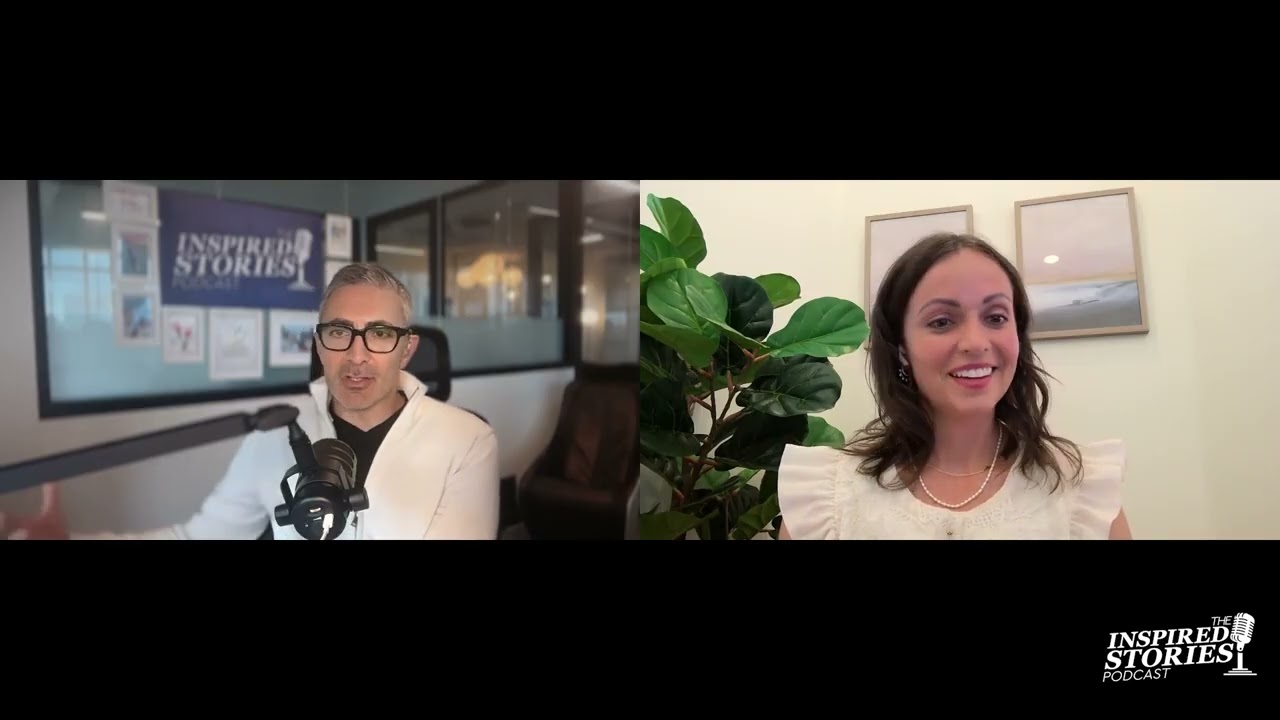
Emily Egbert Stubbs, deal advisor and attorney at Visibility CFO and Deal Advisors, shares how two painful equity partnership failures, the experience of buying and selling a commercial cleaning company, and a career shift from corporate law to M&A advisory shaped a firm built to defend seller value in deals under $40 million.
Key Insights You’ll Learn:
Leaving a 12-year corporate law career to build something of her own
Two failed equity partnerships and the lessons extracted from each
Why buyers don’t pay for future potential — only documented, consistent performance
Quality of earnings review: why all prep work must happen before the LOI is signed
Buying and selling a commercial cleaning company to prove their own methodology
Strategies for increasing enterprise value: contracts, margin analysis, clean financials
Serving founder-led businesses under $40M where sell-side advisory is scarce
Unique fee structure: advisory fees offset against success fees at close
Why some clients get their energy back instead of selling
Running a firm alongside a spouse and making it work with four kids at home
Emily’s Key Mentors:
Her Father: Attorney who modeled the legal profession from an early age
Stoll Reeves Litigation Team: Sharpened deal instincts by showing what happens when contracts fall apart
Andrew Stubbs (Husband and Partner): Former Alvarez and Marsal CFO who brings financial rigor to every engagement
Coaching Group: Unique ability exercise helped her identify complexity-to-clarity as her superpower
Clients Who Stayed: Business owners who found renewed confidence instead of selling — and taught her the full value of what visibility provides
Don’t miss this conversation about the emotional reality of selling a business, what buyers are actually paying for, and why being prepared for a sale makes you a better operator — even if you never sell.
Listen to the full episode here
Transcript
Anthony Codispoti: Welcome to another edition of the Inspired Stories podcast, where leaders share their experiences so we can learn from their successes and be inspired by how they've overcome adversity. As you listen today, let one idea shape what you do next. My name is Anthony Codispoti, and today's guest left a decade of corporate law behind to go all in on building businesses alongside her husband, only to watch a partnership fall apart in ways nobody That experience could have sent her back to the safety of a law firm. Instead, it sharpened her focus. She and her husband bought a commercial cleaning company, grew it, sold it, and emerged with a clearer mission than they had started with. Meet Emily Egbert Stubbs, deal advisor and attorney at Visibility CFO and Deal Advisors, a Phoenix-based firm she built with her husband, Andrew, a former Alvarez and Marcell CFO. Visibility helps founder led businesses get their financials, tax strategy, and legal house in order before going to market. Emily is a cum laude graduate of BYU Law School with more than a decade of corporate and litigation experience. And she has been named a rising star by Mountain State's super lawyers multiple times. Her story is a reminder that the clearest version of what you're supposed to build sometimes only comes into focus after something breaks. But before we get into all that good stuff, today's episode is brought to you by my company, AddBack Benefits Agency. Listen, if you run a business, you're likely stuck in the cycle of rising insurance premiums. You're paying more, but your team is getting less. And many people can't afford coverage at all. We do things differently. we offer a solution that provides your employees with unlimited access to doctors, therapists, and prescriptions that's always free for them to use. Here's the part that surprises most people. Unlike every other employee benefit out there, our program puts more money into your company's bank account. As an example, we recently helped a client increase net profits by $900 per employee per year. Results vary, but gains like that can change how a business is valued. and the consultation is free. Imagine being the advisor that delivers over-the-top value by introducing this to your clients. See if they qualify today at addbackbenefits.com. All right, back to our guest today, the Director of Legal Services of Visibility CFO and Deal Advisors, Emily Stubbs. Thanks for making the time to share your story today.
Emily Stubbs: Thanks so much for having me.
Anthony Codispoti: Absolutely. So Emily, you grew up in Phoenix, went to BYU for undergrad and law school, then started your career at Stoll Reeves, a regional firm based out of Portland with an office in Salt Lake. What was it that initially attracted you into the corporate and litigation?
Emily Stubbs: Yes. That's a great question. I have always loved puzzles, complexity, solving problems. And so I was really drawn to legal education and then becoming an attorney. My dad actually was an attorney, so I had that example. But I loved the deal and the building business side of things. And so I was drawn to corporate law initially.
Anthony Codispoti: And how many years were you there?
Emily Stubbs: So I was at Stoll Reeves for 12 years, I believe. And I graduated in 2008. had an internship with Stoll Reeves and then had an offer lined up and graduated in 2008. People stopped doing deals. And so they invited me to join their litigation group because people were still suing each other. And they put me in the employment practice because it was kind of a hybrid. But ironically, that was what my father primarily practiced. And I was never going to do exactly what he did, but ended up there for many years. it was great to be on the litigation side and to see and practice how, when contracts fall apart, what happens. And so I think it really sharpened my skills as a, when I made my way back to the corporate side and the deal-making side of things to have had that experience.
Anthony Codispoti: Sorry, funny, not funny, but I had to chuckle when you said 2008, you know, financial crisis. Nobody's doing deals, but they're still suing each other. That never goes away. Does it? Yeah. Okay. So your husband, Andrew was at Ernst and Young and then Alvarez and Marsal doing CFO and restructuring work, basically traveling full time as I understand. So at what point did the two of you come together and start talking seriously about building something of your own?
Emily Stubbs: Yeah. Mm-mm. No, unfortunately not. Yeah. Yes. So Andrew, my husband, has always been an entrepreneur at heart. He actually went into accounting originally because he loved business and wanted to understand the building blocks in the numbers. And so has always wanted to go off on his own. I've been more of the like, this is great. We have our corporate jobs and this works out well. it was finally, so we've talked about it for many years, but it was finally when he was traveling 100%, he was on an assignment in New York City. We were living in Arizona at the and he was he was gone all week he'd get stuck if there was a snowstorm and I was like okay finally whatever whatever's coming around the corner with you building your own business is gonna be better than what we're doing right now so I finally let him do what he's always dreamed of doing so was starting his own consulting business and and and building a business so
Anthony Codispoti: Which was what? And so was he doing this on his own? Were you getting involved with this at the same time?
Emily Stubbs: I had left Stull Reeves and I'd worked at another firm in Arizona. I was working remotely, but then just wanted to have in person. And so I was kind of in flux myself. So when he made the decision, I ended up joining as well. And so we started basically at the same time consulting together.
Anthony Codispoti: And what kind of consulting were you doing? Who were you doing it for? What was the problem that you were solving for your clients?
Emily Stubbs: Yeah, I mean it was primarily back office sophistication trying to create the back office foundation for companies and with the legal structure as well as the financial processes and reports that give clients visibility into not only their operations and where their cash is actually going but allows them to have the sophistication to get bank financing or attract investors or other things so that they could grow. We were really focused on helping companies to have the framework they need to be able to grow. If that makes sense.
Anthony Codispoti: Okay. And as I understand, you ended up with equity stakes in several companies rather than staying purely on the advisory side. Walk me through that, how that happened.
Emily Stubbs: Yeah, so what ended up happening when we kind of, you know, raised the metaphorical shingle on our own is that we ended up getting sucked in. We were trying to be fractional, CFO, CLO, but we would get sucked in into these companies that were our clients and they would want more and more of our time. And so we had kind of a decision to make. Are we are we going all in? And if we want to go all in, we don't want to just be growing your business. We want to participate. And so we worked out. of equity positions with a mixture of investing our own funds and sweat equity for the work that we were doing so that we could feel okay about going all in on something.
Anthony Codispoti: And Right, because the whole reason for starting the consulting firm was you wanted to build your own thing. And if you're only client, if you're focused on a single client or just two clients, you're not building your overall business. Yeah. Yeah. OK, so you're getting equity stake in one or more deals. And so now you feel better about this because now you're building something that belongs to you.
Emily Stubbs: it was. You're not, no, no enterprise value. No one would ever buy us.
Anthony Codispoti: But as I understand it, one of those ventures involved a partnership that ultimately ended in a way that nobody wanted. Without putting anybody in a bad light, what did that experience cost you and what did you take from it?
Emily Stubbs: Yeah, well, and it actually happened a couple times. It happened to us twice. But it was at the time, the first one.
Anthony Codispoti: Okay.
Emily Stubbs: Like it felt like it cost everything. And I'm kind of a very results driven person. And so this is what we've been working for for the past year and a half. how this isn't how it was supposed to end or it wasn't supposed to end, right? It was supposed to be continue until we were mutually ready. so. But there's a metaphor, a parable, whatever you want to call it that I heard once that is about a current bush that was growing and growing. And it was growing so tall and it thought it was doing great work. And then the gardener said, cut it down and said, I'm the gardener here. You're actually a current bush and you're not producing any currents. And so, you know, the current bush thought it was doing great work, but really it wasn't getting to its life. So I would say that is kind of a great, resonated with me because that's what I've learned from these cutting down experiences. the second one we entered, we tried to structure it differently. And ultimately what happened was that we were... you know, we took away a pain by, you know, these founders came to us because they, needed help and they needed significant help. Once we solved the pain, it changed the dynamics of where, what was fair. And there's a real, a real, having built and bought and done other things since those, those first early experiences, there's a real, attachment and a real feeling that happens when you build a business. And then when you have other partners that come in, it changes the dynamics. And so it definitely felt a high cost, but I can honestly say that it's helped me to become who I am today and a better at what we do now because of the real life experience of it all. It's in those ups and downs that real entrepreneurship happens.
Anthony Codispoti: So let me see if I understand this. You went in, you delivered great value, the value that you were supposed to deliver. And now that that value is in place and it's, you know, producing the organization structure and the efficiencies that everybody needs, they're like, you know, we don't really have that much value for you anymore. We need to revisit all this and maybe it's time for you guys to go or get, get your equity cut down or.
Emily Stubbs: Because traditionally, people in our industries don't take equity. They get paid an hour for dollar for hour. so it starts when money's low, equity seems cheap. But when money's bigger, then it starts, wait a second, what's happening here? So yeah.
Anthony Codispoti: Yeah, that's painful. I've been through a similar experience before where, yeah, once you've delivered the value, it's like,
Emily Stubbs: Yeah.
Anthony Codispoti: The people value it less upfront. put a ton of value on it. And then once they have it, like the, the, part of the business is demystified and it's working great. And it's like, okay, don't need you so much anymore. What have you done for me lately? Yeah. That's why a lot of those are done. know, be an hourly agreement. Okay. So, how did that help you? How did that, those painful experiences really help you be better at what you do today?
Emily Stubbs: Yeah, can I pay you hourly for this? Yeah. Mm-hmm. Yeah. I mean, I just, think it makes me much more, the equivalent of a business IQ, emotional IQ, like there is a level of, it's hard to understand. And to be honest, have been on kind of the other side where, you know, have continued to have partnerships and not all of them go the way that you want them to. And so being on both sides of the situation, it... It is helpful in being able to advise our clients. We still do a lot in the deal space. What is the value of your equity? What is, and it's more than just a monetary number there. And so it helps me to understand when a seller is ready to sell what they've built and the... the things beyond the monetary value that we are trying to capture in the transition of that business to somebody else. And I think that's something that you can read about, can intuitively understand it, but until you've gone through these experiences, I just don't know how. And what we do at Visibility is we're the bridge between the buyer and the seller. And so these experiences have made me understand both sides of that. And it's a real thing. It's not something that you can just belittle on the side of the seller. There's real. Mm-hmm.
Anthony Codispoti: You talk about the emotional aspect of it, the attachment to the business and the emotions that are involved in that transaction going through. Yeah. And say more about that. Like, what do you see happen on the seller's side that would surprise people from the outside who haven't been through the process before?
Emily Stubbs: Yeah. Yeah. Yeah, I mean, I think I think the biggest thing that surprises business owners over and over is there is there is what you need, you know, you. Often founder owners have a skill and they build their business around that skill set. And so they have, they're at their craft. They're great at building that craft. They're great at selling that craft. But, but there is a big difference between what it takes to run a great business and to sell it. And, there's a disconnect between what a buyer is looking for because they don't buy risk and they don't buy promise of the future. And they, they don't. buy good ideas for how our revenue is here. But if you just did these things, then you would have an in seller may think, well, I know that's going to work because I've done this for 30 years and I just know that's going to work. But because they haven't done it yet, the buyer is not going to pay for it because it's going to be the buyer's work to put it into action. And so there's a lot of understanding how to make that value and what you've created come out in the financials, in the documentation that the buyer's going to be looking at through due diligence that you can adjust in a way that maybe doesn't make sense for your operating. You don't need it. But if you have it, you're going to give that confidence to a buyer and be on a higher end of the multiple trading range and kind of finding a way to put the emotion and the story into hard facts that a buyer can appreciate and is willing to pay for.
Anthony Codispoti: So tell us, I'm trying to understand is most of what you're doing at Visibility, is it prepping companies for exit and then taking them to market? Or kind of walk us through the services that are available through Visibility CFO.
Emily Stubbs: Yes, yeah, at its best it's both. If we can come in and have the time to... revamp the financial processes and reporting so that we have clarity. Sometimes it takes some restructuring. A lot of business owners, for example, run a lot of their personal expenses through the business because you get a tax deduction and you absolutely should. But if you had an S-corp on the side that you were running all your personal expenses through, there's a lot of tax benefit. You still get the tax benefits, but you're not muddying the financials. And so there's different things that we can do on the prep site, but then we also take them through due diligence because what our experience was and why we got into, you know, focused on the deal space instead of just growth is that there is... A lot of buyers, sophisticated buyers are coming into the below 40 million revenue space, but there's not as much of the, know, IB firms aren't sell side in that space. And so there's not as much sophistication and help for buyers or sellers, excuse me, in that space. so being able to defend equality of earnings, which sophisticated buyers are asking for. always and being ready for that ahead of time and then being able to walk through the due diligence process and defend the diligence that. defend the value that the seller has created and not have to renegotiate once you're two or three months into the due diligence process and all your other suitors have left and you're in an exclusive period and now you're stuck. Do I take this revised offer or do we start over?
Anthony Codispoti: So what are some of the key strategies that you use to help avoid that? So that you're getting into an exclusive period with the right buyer without any surprises that are likely to lead to that offer being revised down.
Emily Stubbs: Yeah. Yeah, I mean, just working with the end in mind, the quality of earnings review is the same. They have kind of their framework of what these independent CPA firms are going to be looking at. And once they do the quality of earnings review, they have no incentive to change it. not going to argue. Their review, their findings are what their findings are going to be. So all the work has to be done before the LOI is signed if you're going to avoid those surprises. So some of those things are the things I was talking about. They look at the ad backs. They're looking at concentration of customers. They're looking at what the owner is doing. It's quality of earnings because it's not just dollars in, but how do the dollars come in and how likely is a new buyer going to be able to continue that dollar stream if the owner leaves and or yes.
Anthony Codispoti: Where's the risk and how likely are they to be able to continue that same level of revenue? Got it. Okay. And so who's the ideal client for you? I heard kind of like under 40 million. What is that? 40 million in sales, 40 million in exit value or?
Emily Stubbs: Yes. Yeah. Yeah. 40 million in revenue is what we look at because a lot of times a seller doesn't know what their enterprise value is. And we can help in. in all spaces, but that's we kind of have that as the line because like I mentioned, there isn't a lot of help in this range on the sell side. And so the dots where we intentionally are trying to help a market where there we've seen a lack through our our business dealings.
Anthony Codispoti: What industries are a good fit for you?
Emily Stubbs: Again, there's a lot that we can help. We tend to attract a lot of medical entrepreneurs because of the nature of insurance billing and the cycle of cash tends to be more complicated. You're not just, you know, in retail, you have the products on the shelf and then, you know, someone comes and buys it. And so there's not as much mismatch of when the service or product is purchased and when... when the money comes in. And so it can be more confusing on where cash is going. And so our reporting, look at it from a cash is super important. And at the end of the day, you know, the money actually coming in is important, but looking from an accrual lens and being able to see. the match up of when the service or product is produced or provided or sold and when the money comes in and when the money goes out to pay your people, all of those things match up. It allows a buyer to see the margins for what they really are and buyers love consistency. And so when you have a consistent margin month to month or they can see the patterns that their seasonality, but you can see year over year, it gives I can't even stress enough how much confidence it gives a buyer to see that and because if there's a history and consistency, then they're going to believe your stories more and they're going to be willing to pay, you know, a higher multiple because of that, it brings that peace of mind. So, yes.
Anthony Codispoti: They want that confidence, right? They're putting a bunch of their cash aside and they want a certain rate of return. Life doesn't come with guarantees, but they want to get as close as they can to that. And you mentioned something that was interesting. You were talking about how, you know, a lot of small business owners, they're running a lot of personal expenses through their business, which, you know, can help from a tax efficiency standpoint. But when it comes to go sell the company,
Emily Stubbs: Yeah. Absolutely.
Anthony Codispoti: then those tax returns show a lower taxable income, which means that they're selling the business for less overall value. And so I think the strategy that you were kind of suggesting there was set up a separate S-corp to run some of those personal expenses through. And it sounds like this S-corp then is traditionally going to run at a loss and it provides some of those same tax advantages. I connecting the dots correctly?
Emily Stubbs: Yes. Yeah. Yeah, it's more complicated than that. Anyone who has more questions, can go into deeper. I don't want to get too much into legal advice here, but not necessarily a loss. We can set it up as a consulting company because you're the business owner and you are providing service. So whether you're paying yourself a wage through your operating company or through your S-Corp, there's ways that you can have it set up.
Anthony Codispoti: Okay.
Emily Stubbs: But yeah, it's, and you actually bring up another good point. We look at the accrual and the cash lens, but we also have a tax lens because telling the story and bridging the gap between your tax return and your books is super important for a seller or for the buyer. Because if they're seeing, okay, well, you submitted this and you said your revenue was this, I know there's tax things and whatever, but if we can have the clear story in that bridge. Again, we're just building up that confidence.
Anthony Codispoti: No, it makes a lot of sense. And then at some point you make a decision to go from advising businesses to owning one. What made you decide to buy a cleaning company specifically?
Emily Stubbs: Yeah, that's a good question. Seems a little random. after we had gotten pulled into some of these equity positions and came back out and we hit somewhat of a glass ceiling and we were still holding the line on. on we were fractional, not getting too deep in any client, but our clients still wanted Andrew and I. And it was hard to build a team and have them have trust in other people. And so what we did and what we've seen, what worked for the previous companies that we'd helped was that we were primed for creating a roll up. creating that back office that would allow us to attach several. So we were looking at different industries. thought, okay, consulting, maybe this isn't our thing. Maybe we need to buy a business because we're good at building from what's already been created. And so we looked at different industries a lot in the home services space because we wanted something, you It was AI proof and something that we could come in and we didn't need to be the doers that we could understand the business. And we came across this commercial cleaning company. was a great opportunity and we purchased it. I wanna say it was 22.
Anthony Codispoti: And then what? So you purchased it? What was the timeframe here? Like set the year?
Emily Stubbs: we purchased it in 2022.
Anthony Codispoti: Okay. And so part of the reason you guys wanted to buy an existing business was you noticed like you had a real skill there, right? Like you could go into something that was already set up and then see all the operational levers to pull to set that back office up, to get them more efficient. And then it's easier for that to be the platform to then acquire more similar businesses and kind of bolt them on and then really raise that enterprise value. Right. That was kind of the strategy. Okay. And so how did it play out?
Emily Stubbs: Yeah. Yeah. Yeah. Yeah. A lot of great lessons. Overall, it ended well. We did what we say we do, and we were able to come in. We saw where the gaps were. We got rid of clients that were below the floor. We raised the margins across the business. We were able to... really improve the operations, we put in processes. But the piece that we were probably too optimistic and naive about is we thought we could keep our consulting on the side and hire managers to manage. in an industry where loyalty is really difficult, it was hard to keep not only the people doing the commercial cleaning, but managers in in the seat. And we bought it with a great manager, but his loyalty was to the former owner. And when the period was done, it presented a crossroads. Is this where we want to go all in, or is it not? And ultimately ended up being able to sell it. we made a great return on our money and kind of solidified for us what we practiced, what we preached, and it ended with that kind of increase in enterprise value that we were hoping to get from the outset.
Anthony Codispoti: So as you think back to some of the things that you and your husband did to increase that enterprise value, I'm sure there's hundreds of little dials that you're turning along the way, lots of little improvements, but think about some of the bigger dials that you turned and maybe pull one out and just walk us through specifically what you did.
Emily Stubbs: Yeah. Yeah. Yeah, I mean, I would say probably two things made the biggest difference. One was on the legal side, having contracts in an industry that not everyone has a written contract was a big thing and instilled a lot of confidence in going out and getting new clients. And then from the financial side, I think I mentioned it, we really kind of came in and looked at the books that, there were, I can't even remember what state they were in when we got them, if they were just in Excel or if they had QuickBooks. But really going in and laying the foundation of good financial reporting allowed us to see clearly, OK, these are not the clients for us. And then even kind of industries like we were there was a focus on HOAs, which which our manager at the time had a niche. He was a former HOA manager, and so he had connections, and so that was great. But when we looked at the margins compared to office cleanings, it allowed us to kind of focus where there was higher margin opportunities and then focus there that allowed us to increase the revenue overall and then the profit, the bottom line.
Anthony Codispoti: So the interesting part there for me is contracts. So contracts weren't used before. And you're saying a lot of folks in the industry weren't using contracts. So it is just sort of like a handshake. Like, yeah, we'll show up every Tuesday and, you know, vacuum the place.
Emily Stubbs: Yeah, there are plenty that are using and there's large ones, but you know, the national chains are there. Obviously there are people using contracts, but we, I was surprised at how many, as we were trying to get more clients were like, this contract, know, this is great. I know that you guys are going to show up, right? Like it's not, it's sometimes an industry that you're paying, you know, lesser amount.
Anthony Codispoti: Yeah.
Emily Stubbs: but not sure on the consistency and there's nothing to contractually back it up versus you're paying a lot more for the big company that has the name and then our company was kind of in that middle space.
Anthony Codispoti: Okay, all right, so you had a nice exit, good return on your investment. Now let's come back to, so you do that, now you're back to focusing full time on visibility, is that right? Okay, what did that allow you to do in terms of growing your consulting business now that you had full focus back on?
Emily Stubbs: It was a of a reinvigoration on this is what we really love doing and how do we build the team and create all the things that we say. It's not owner dependent and all of these things and not a high customer concentration. How do we build that with... taking the knowledge that we've gained, how do we create a team that can help other companies do this?
Anthony Codispoti: So I want to talk about some of the experiences of helping business owners prep and sell their companies. I know from having been through the process, I know from having talked with a lot of folks that have gone through the process, that almost every business owner thinks that their company is worth more than it actually is. You're smiling, you're kind of nodding a little bit. Why do you think that is? What's the gap between, why is there a gap between what they the seller believes and what the buyer actually sees in terms of value.
Emily Stubbs: Yeah, I mean, I think there's a lot of reasons for that. One, we've kind of mentioned there is so much that goes into growing a business that it is your baby. is like you look at your child in a way that no one else can because of all the experience through the years, right? Another, I think it is common in the market today for, and I get emails all the time, hey, we'd love to buy visibility. You know, we have a buyer right now. And so there are a lot of offers being thrown around. It is, I kind of mentioned it, there is somewhat of a strategy behind it. When you hear a big number, you think, great, I'm willing to sell for this. But if your EBITDA doesn't back it up, If your SDE doesn't back it up, then the buyer at the end of the day isn't going to pay for it. People throw around multiples and they say, well, I know somebody that sold at a 16-time multiple. You hear these things and you look at how hard you've worked for your business and then you think, well, I should get a 16-multiple, but there's a lot that goes into where that range falls and where it falls based on. your revenue range based on what your concentration of cause there's just there's so much that is individualized that when you hear these, you know, what gets the high highlight reel are these big, big numbers and but there's no context behind it. And so there's just a lot of, guess it's not really misinformation, but there's just a lot of information out there that you have to understand the process. to know how it applies to your situation. And without somebody that knows how to do that, of course you're gonna think that your business is worth top dollar. So.
Anthony Codispoti: Yeah, people come in with unreasonable expectations because of stories that they've heard. Or like you said, there's just an emotional attachment to the, you know, the blood, sweat and tears that they put into building this thing. Surely it's got to be worth at least X, right? Just because of what I've been through to get it here.
Emily Stubbs: Yeah. Yeah. Yes. It's cost you that much, but it's hard. That doesn't equate with what a buyer is willing to pay for it.
Anthony Codispoti: So how often do you get into the process with somebody and then the business owner changes their mind and decides not to sell?
Emily Stubbs: Yeah, it does happen. A lot of times, and especially, you know, earlier on when there was a lot of times clients come to us because they've hit that ceiling and or they've the owner feels too much weight. Like they just everything falls on them and they don't know like they can't take anymore. They're just done and selling feels like a way out. Like, I won't, you know, even when you hire people, those people can quit. They can move to the other side of the country. Things happen and it always falls back on you as that owner to find the solution. And so when you think of selling, you think, this will solve my problems. I won't get the call on the weekend. I won't have to solve the problems anymore. It's gone. But what we've found is that sometimes when we come in and we... help create those processes in the financial reporting and they actually know where the cash is going and why putting all the money into the service line is actually, that's where their cash is going or whatever the situation may be, there is that same confidence that we provide for the buyer can give confidence to the seller as well. And so if they have that confidence, sometimes selling isn't the option. They're like, I actually do have a passion for this. And if I know that I have this much money to hire somebody to do this, it's a little bit less daunting. And sometimes, you know, so we've seen business owners get their energy back. So.
Anthony Codispoti: That's kind of a fun conclusion for the business owner, right? Maybe a little less so for you guys, right? That's kind of eating into another part of your fees. But it's fun to know that that's a possibility, you know, for a potential client coming in that, hey, you know, maybe this isn't like, I need to jump ship because I'm just burned out. It's like, once you guys come in, and you kind of clean things up, fix it, you know, the operations are running smoother, there's more free cash. And it's like, okay, I can breathe fine.
Emily Stubbs: Yeah. Yeah. Yeah. Yeah.
Anthony Codispoti: first time in a long time. Yeah. So I want to talk about your compensation structure, because this is a little unusual from my perspective. Tell me if I'm wrong, because I haven't really come across this before. So you stay involved all the way through the deal. And as I understand it, you subtract your ongoing advisory fees from the success fees at close, assuming that it goes to that point.
Emily Stubbs: Yeah.
Anthony Codispoti: Am I right? Is this an unusual structure in the space that you play in?
Emily Stubbs: It is. It is. And it's from the time that you list. if a client comes on and we're doing months and years of work, financially, it may not make sense, depending on the size of the business. But what we're trying to do is, like I mentioned, I think part of the reason that you don't see investment banks in this sub-40 million revenue space as often is because there's a, the larger revenue companies have a larger budget to pay for their services. And so we are offering it because we're trying to provide that service for a demographic that, you know, doesn't, isn't used to paying it, but still needs it just, and probably even more than those. over $40 million revenue companies. And so finding a way to help companies and provide that. And we know that the sale, and we've talked to other brokers, that... that the breakdown during due diligence of the financials and the buyer finding things in the seller's financials that make them renegotiate the price happens all the time. And sometimes they can renegotiate and sometimes the buyer walks away because they're just too far apart. so it actually knowing that we've cleaned up and presented in the best light possible actually makes the deal more likely to go through. And so it's a win for all parties. And so that's where, that's, know, we have our swim lanes, we have our skill set, and every part of the transaction is super important. But we're trying to explore, incentivize, I guess is the right word, and show how what we do is set apart from what they can find elsewhere.
Anthony Codispoti: No. What's it like working with your husband, Emily?
Emily Stubbs: It honestly is really good for us. It hasn't always been. Like I would have met like 15 years ago, I would have never thought that I would be working side by side. But it has really helped actually our communication skills and allows us to have a greater empathy and understanding of what what the other person is going through. Because a lot of times you know, you when you have separate careers or one one spouse stays at home and one is working there, it's it's hard to kind of really understand what they're going through or what could have what could been on their mind that keeps them even though they're there, they're not really there at home, we understand. And it allows us to kind of give each other more breaks and pick up the slack. We've got four kids and they're all at home and it's really helped us to be able to manage that together in a way that... that I don't know would have happened if we weren't able to work so closely together.
Anthony Codispoti: Were there some bumpy spots like early on? Like, did you guys use a business coach or like even like a relationship coach to like, you know, kind of make this transition from we're, you know, husband and wife to we're also business partners now. And that's kind of a little bit of a different dynamic.
Emily Stubbs: Yeah. Yeah, we have had business coaches since, but yeah, we just, I mean, I won't say there weren't bumps, I don't, it really was.
Anthony Codispoti: No, just kind of did this yourselves. Yeah. You guys are able to navigate this yourselves. That's impressive. Yeah. And so is there, you know, especially when you guys were first getting started, I mean, you know, your legal side, he's finance side. But, you know, it's business. Like there's overlap and interweaves. And was it at all challenging to kind of figure out, hey, this is my lane, this is your lane? Or did that just feel very natural from the beginning too?
Emily Stubbs: Yeah. Yeah. Yeah. that because there were separate lanes, we could both be bosses of our own lane. So I think that really helped. think had it been like, if I was a controller and he was the CFO, like that wouldn't have worked. But we were both kind of. bosses in our own lane. And then ultimately, like, yes, there would be like, and there still is things that he's like, well, why can't we do it this way? Because it makes business sense. And I say, no, this is, this is what it is. This is the law. And this is how we can work around it. But this is my line. And so learning to respect kind of each other's areas of expertise. It's again, there's bumps and learning in that process. But I think I think you hit that the separate swim lanes is I think what what definitely made it a positive experience. So and not needing a marriage therapist. So yeah.
Anthony Codispoti: a marriage therapist or business coach. You guys are just a great natural fit on both fronts. That's awesome. Emily, do you most want to be remembered for in the work that you're doing?
Emily Stubbs: I would definitely say a helper. I have always loved helping people and have found a real connection between what I've studied in school, these experiences that we've talked about that really have shaped me and have been difficult to go through and... and being able to help in a way that I don't think, you know, that is meaningful, I guess. And for example, we had a client that had started our services and um, died tragically a few months later, young, 53 left young children and a wife behind and, and she was not involved in the business. And she had, he had three practices that, um, now didn't have the, know, and, and she needed help selling them. Um, and so it was, it was incredible to be able to be by her side through such a, a, um, significant time in her life and be able to take that burden away and have that confidence that she's not getting taken advantage of, that we can help defend the value that they, as partners, blood, and tears that they created over the years, even though she wasn't involved necessarily in the day to day, but there was, I'm sure, sacrifice on her end. so being able to help. alongside and kind of help build her nest egg so that she could focus on her kids and the mourning and all that was happening in her life in that whirlwind of a year. That's where my passion is. And I see it all the time. hear people, spouses passing, I'm like, do they know? Do they have an attorney? Do they have an advisor that's helping them navigate the transition? Because you just never know when your business is going to need to transition. And so being able to have the right setup ahead of time is critical.
Anthony Codispoti: say more about that part. You never know when the business is going to need to transition. I'm roughly the same age as that gentleman that you spoke of who passed away. And yeah, if something were to happen to me, there's my wife doesn't know anything about how to step in how to run things. doesn't know who the clients you know, like, like what would whether it's me or somebody else who's listening, like what are some of the things that we should be thinking about?
Emily Stubbs: Yeah.
Anthony Codispoti: that we don't want to think about.
Emily Stubbs: Yeah, and I don't know what they are, but I hear people say often, know, there's the five D's and there's divorce and disability and there's death and disagreement. Like you can have a partnership and everyone thinks it's going one way. But I would say, you know, what I meant with kind of being prepared was that... that we were in this situation, we were already in place. We had been working on creating those processes and financials so that when it came time to sell, sooner than anyone wanted, there was the documentation in place. so it made, then because we were able to be there through the transition, it was... there's a lot that goes on in that time. There's time that it takes to do that. And so being able to focus on what the parties left behind need to focus on. But it is having those clean financials, the clarity of this is, because if you're running a business today, like you want to sell it, even if you don't want to sell it, even if you want to pass it on to your children or whatever, be the case if you're running your business the way that a buyer would be scrutinizing your business, you're going to run a better business. Just like when you're selling a house and you fix it up, you like it better. Things run more smoothly. So yeah, I don't know if that answered your question, but...
Anthony Codispoti: You know, there are things that you can do to prepare your business for an exit. And those are the things that you should be doing even if you don't have a plan to exit because for multiple reasons, because you don't know when you're going to exit this earth, right. But also because it's going to make your business run more efficiently. It's going to be better profits, more time for you. Just all of the good things that come from having your operations buttoned up.
Emily Stubbs: Yes. Yeah, for sure.
Anthony Codispoti: Emily, what's one of the hardest things that you have had to overcome personally and what did that teach you?
Emily Stubbs: That is a tough question. I would say, I mean, we've probably kind of touched on it already, but to go a little bit deeper. my mom teases me when I was in kindergarten. I told her, I'm not ready to go to kindergarten. I'm afraid I don't know all the answers. And that's, you know, a cute little kindergarten thing, but honestly, that is, you know, something in me. I don't know where it came from, but this need to have certainty and the answers just came from day one with me. and I did well in school, even in the legal profession as an attorney, working for a law firm, I could control. If I was prepared, I could use my brain, I could do the research, I could draft amazing arguments. And even when I was doing litigation and had an oral argument, I felt confident because I had prepared. But the life of an entrepreneur, the life of a business owner does not matter. that and and I would say life is a mother right like there's there's so many aspects of my life where that tendency that I have has held me back and has kept me playing small and safe and so and even cause you know you know anxiety and depression that I've dealt with in the past but but it's it's there is a value in being able to overcome that. And I've seen through these ups and downs and, well, I thought this was it. This was the partnership that was gonna get us to our goals and, you know, be the happy rainbow. And that's just not how life works. And so being able to pick back up and have, I love, you know, I love working with my spouse and I love him and having, you know, such great support with my family and extended family and being able to. always be learning and growing and trying to overcome the need for certainty and the answers and finding the higher reward comes when you're putting yourself out there and taking the leaps and bounds into the unknown that can feel detrimental to me at times but now just maybe scary.
Anthony Codispoti: I'm so glad that you shared that because I think it highlights something that took me a long time to even conceptually wrap my brain around. And I'm still trying to get my full self to believe it, which is this idea that discomfort isn't something that should be avoided because that is oftentimes where the greatest growth in life takes place.
Emily Stubbs: Absolutely. Yeah, and we're trying to teach our kids all the time that same concept. So I'm trying to live it myself
Anthony Codispoti: It wasn't, it might not even been until I had kids that I was really able to start putting it into words because I'm trying to coach them on something that, you know, is a then 40 plus year old person and trying to teach myself for the first time. Yeah. Lots of, lots of lessons to be had and overcoming those challenges, not running away from them, not being too afraid that you don't have all the answers before going into kindergarten.
Emily Stubbs: Yeah. Yeah, yeah, I agree. Yeah.
Anthony Codispoti: And knowing that that uncertainty, that the things that you don't know, it's okay because you're gonna come out better having known more than what you did going.
Emily Stubbs: Absolutely. So well said.
Anthony Codispoti: Emily, what's your superpower?
Emily Stubbs: I don't know if I would have known this, but I joined a coaching group that we have to go through an exercise and we had to figure out our unique ability, which I think is probably a superpower. And it was this cool exercise. had to ask like 10 people and have them tell me what it was. It was very uncomfortable. But what it came down to was, kind of mentioned it before, taking complexity. and distilling it down to kind of a single truth or a actionable item. I love it in the legal field. I had all the research and constructing arguments. I love writing. But it's the same in businesses when you can take the chaos and distill it down to its essential parts. And it's how you solve the puzzle.
Anthony Codispoti: I think that is an enormous superpower. I've got a handful of those folks in my life that are great at taking these big hairy complex things and being able to put it, distill it down to the simplest thing. so, wow, folks would be lucky to have Emily in their corner because that is an amazing ability. Let's go to the fun side for a second. What's your favorite thing to do outside of work?
Emily Stubbs: I never have favorites, but if I had to boil it down to a couple things, I mentioned those four kids, so, and they're all, they're 11 to 17, so teenagers, so if I can get them to do anything with me, then I feel like that's a fun time. So, spending time with family, and then I love, I love a lot of things outdoors. I love boating, I love snow skiing, I love running. That's one that I can do on a consistent basis, but just, I love the sunshine. So being outside, being active. It's probably my favorite thing outside of that.
Anthony Codispoti: That's great. Emily, I've just got one more question for you today. But before I ask it, I want to do three quick things for the audience. First of all, anybody who wants to get in touch with Emily Stubbs, go to their website, visibility, CFO, dot com, visibility, CFO, dot com. It will be in the show notes if you miss it. But you can remember this one and spell it very easily visibility, CFO, dot com. And if you're enjoying the show today, please take a moment to subscribe wherever you're listening. It also sends a signal that helps others discover our podcast. So thank you for taking a quick moment to do that right now. And as a reminder, you can be the advisor that delivers a huge value add by showing your clients how to give their employees access to therapists, doctors, and prescription meds that counterintuitively increases their net profits. Real gains that can change how a business is valued. Contact us today at addbackbenefits.com. So last question for you, Emily, a year from now, what is one very specific thing that you hope to be celebrated?
Emily Stubbs: might be your toughest question yet. I would say something that we're really focused on right now. It doesn't matter how great a service or product you have if you don't have an audience, if people don't know what you do and how it can help them. Because a lot of what we do, people don't even think they necessarily need it. And so being able to create a bigger audience. This is, know, and you can now today that means like followers and things like that. But, you know, I think we have only 2000 LinkedIn followers. So our big hairy goal is 100 K by next year and hope to be able to help help more people. So.
Anthony Codispoti: Wow. How do you get from 2,000 to 100,000? What are some of the levers that you're thinking about pulling?
Emily Stubbs: work in progress. have some, you know, I a coach right now and you know, read, always listening to books to help but trying to create more content that helps inform and educate and as well as I guess be on more podcasts and get the message out any way that we can.
Anthony Codispoti: Okay. Emily Egbert Stubbs from Edit. Emily Egbert Stubbs from Visibility CFO. I want to be the first to thank you for sharing both your time and your story with us today. I really appreciate you being here.
Emily Stubbs: I really appreciate it too. Thanks, Anthony. It's been a pleasure.
Anthony Codispoti: Folks, that's a wrap on another episode of the Inspired Stories podcast. Thanks for learning with us. And if one thing stood out, put that into action today.